By: J. Muchui, RN Registered Nurse & Health and Wellness Educator
Medical Review: J. Muchui, RN
Category: Women’s Health, Reproductive Health, Diseases & Prevention
Updated: October 2026
Endometriosis: Symptoms, Causes, Diagnosis, Treatment, and Fertility
Endometriosis is a chronic condition in which tissue resembling the lining of the uterus grows outside the uterus. It can cause pelvic pain, painful periods, pain during sex, bowel or bladder symptoms, fatigue, and difficulty becoming pregnant.
Endometriosis at a Glance
Endometriosis affects an estimated 10% of reproductive-age women worldwide, equivalent to about 190 million people. It can begin around the time of a person’s first menstrual period and may continue throughout the reproductive years.
- Endometriosis is chronic: Symptoms can persist for years and may recur after treatment.
- Pain is common: Symptoms can include severe menstrual cramps, chronic pelvic pain, painful sex, and pain with bowel movements or urination.
- Fertility can be affected: Some people with endometriosis have difficulty becoming pregnant, although many become pregnant naturally.
- There is no definitive cure: Treatment focuses on controlling symptoms, improving quality of life, and addressing fertility goals.
- Diagnosis can take time: Symptoms overlap with several gynecologic, gastrointestinal, urinary, and pelvic conditions.
- Surgery is not always required before treatment: Current approaches allow treatment to begin in appropriate patients based on symptoms, examination, and imaging.
- Treatment is individualized: The best approach depends on symptoms, disease characteristics, reproductive goals, treatment preferences, and potential side effects.
Introduction
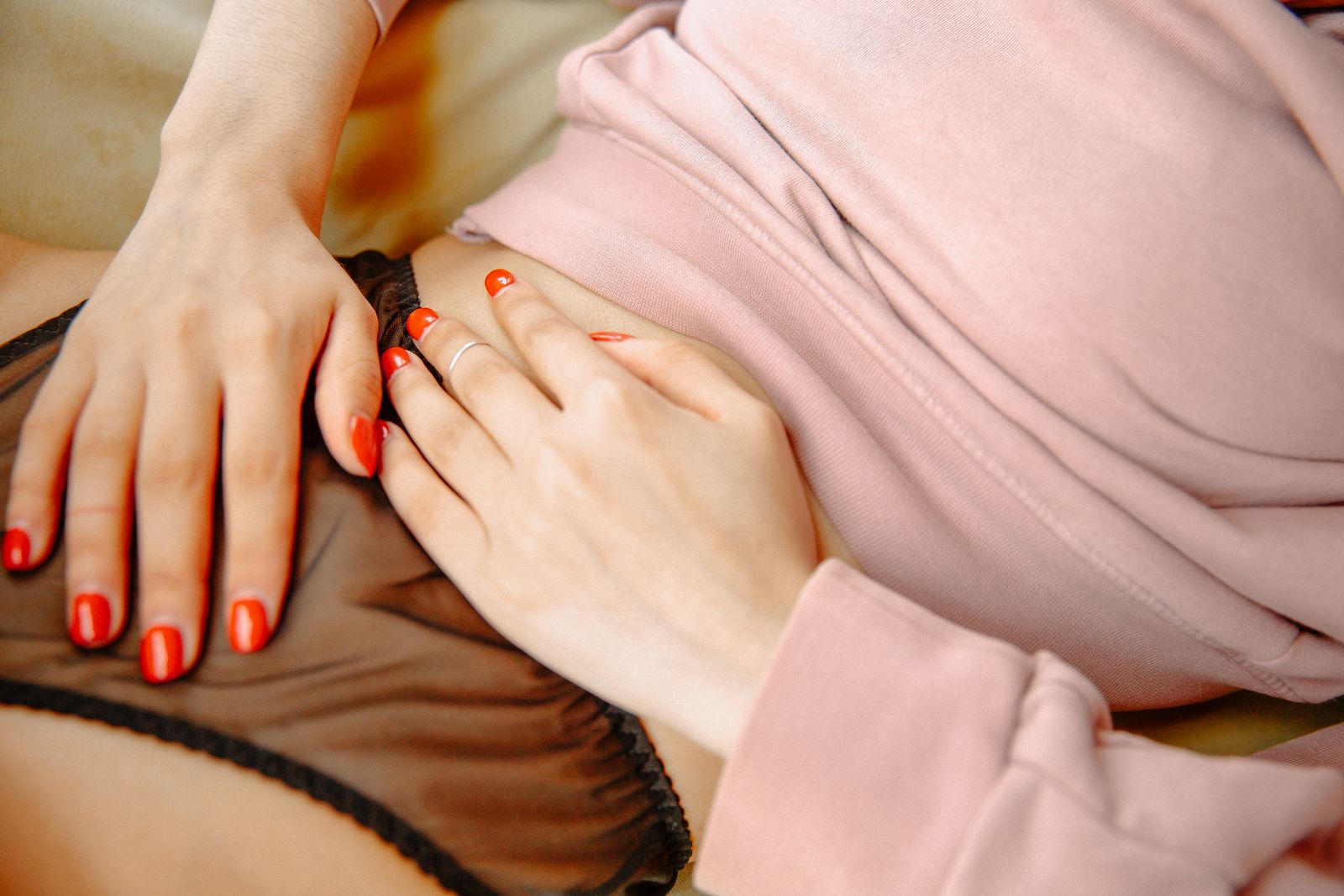
For many people, the path to an endometriosis diagnosis begins with a symptom that has been repeatedly dismissed: severe period pain.
You may have been told that painful periods are normal. You may have missed school or work, avoided exercise, changed plans with friends, or struggled with intimacy because of pelvic pain. You may have visited several healthcare professionals without receiving a clear explanation.
These experiences can be frustrating and emotionally exhausting.
While some menstrual discomfort is common, pain that repeatedly interferes with daily life deserves medical evaluation.
Endometriosis is often misunderstood because its symptoms vary widely and overlap with many other conditions. Some people have severe pain, while others have relatively mild symptoms or discover the condition during an infertility evaluation.
Understanding the condition can help you recognize possible warning signs, ask informed questions, and work with a healthcare professional to develop an appropriate treatment plan.
What Is Endometriosis?
Endometriosis is a chronic condition in which tissue resembling the endometrium—the lining of the uterus—grows outside the uterus.
Endometriosis lesions are commonly found within the pelvis, including around the ovaries, fallopian tubes, pelvic lining, and tissues surrounding the uterus. Less commonly, endometriosis can affect areas outside the pelvis.
These lesions respond to reproductive hormones. They can become inflamed and contribute to irritation, bleeding, scarring, and adhesions.
Adhesions are bands of scar-like tissue that can cause organs to stick together. Depending on their location, adhesions may contribute to pain, bowel symptoms, bladder symptoms, or fertility problems.
Importantly, the amount of visible endometriosis does not always correspond to the amount of pain a person experiences.
Someone with apparently limited disease can experience substantial pain, while another person with more extensive disease may have relatively few symptoms.
Endometriosis is therefore more than simply “bad period pain.” It is a chronic inflammatory condition that can affect physical health, fertility, emotional well-being, relationships, work, and everyday life.
Common Symptoms and Early Warning Signs
Endometriosis symptoms vary considerably from one person to another.
Some people experience symptoms primarily around menstruation. Others have pain throughout the month. Some people have endometriosis with few or no obvious symptoms.
1. Severe Menstrual Pain
Painful periods are one of the most recognizable symptoms of endometriosis.
Endometriosis-related pain may:
- Begin before menstruation
- Continue for several days during the period
- Become progressively worse over time
- Interfere with work, school, exercise, or daily activities
- Require repeated use of pain medication
- Cause missed work or school
Pain that is consistently disabling should not automatically be dismissed as normal menstrual discomfort.
2. Chronic Pelvic Pain
Some people experience pelvic or lower abdominal pain even when they are not menstruating.
The pain may feel:
- Aching
- Cramping
- Sharp or stabbing
- Burning
- Deep or pressure-like
The intensity may change throughout the menstrual cycle.
3. Pain During Sex
Deep pain during or after sexual intercourse can occur when endometriosis affects tissues around the uterus, ovaries, pelvic lining, or other pelvic structures.
Pain during sex is not something a person should simply be expected to tolerate.
4. Pain With Bowel Movements
Endometriosis involving tissues close to the bowel can cause pain when passing stool, particularly around menstruation.
Some people also experience constipation, diarrhea, bloating, or other gastrointestinal symptoms.
5. Pain With Urination
Bladder or urinary symptoms can occur, particularly when endometriosis affects tissues around the urinary tract.
Blood in the urine, severe urinary pain, or persistent urinary symptoms require medical evaluation because other conditions can cause similar symptoms.
6. Heavy or Abnormal Menstrual Bleeding
Some people with endometriosis experience heavy menstrual bleeding or bleeding between periods.
Heavy bleeding can contribute to iron deficiency and anemia. Anemia may cause fatigue, weakness, dizziness, or shortness of breath.
7. Difficulty Becoming Pregnant
Endometriosis is associated with infertility, although having endometriosis does not mean that someone cannot become pregnant.
Among people being evaluated for infertility, the World Health Organization estimates that endometriosis may be present in approximately 25% to 50% of cases.
8. Fatigue and Abdominal Bloating
Fatigue, abdominal bloating, nausea, and other nonspecific symptoms may accompany endometriosis.
What Causes Endometriosis?
The exact cause of endometriosis remains unknown.
Researchers have proposed several possible mechanisms, but no single theory completely explains every case.
- Menstrual tissue flowing backward through the fallopian tubes into the pelvis
- Changes in cells that allow endometriosis-like tissue to develop
- Immune-system abnormalities
- Genetic and inherited factors
- Hormonal influences
- Inflammatory processes
Endometriosis is not caused by something a person did wrong. It is not a consequence of poor hygiene, lack of exercise, or failure to “detox” the body.
Risk Factors
Certain characteristics may be associated with a greater likelihood of developing endometriosis, including:
- A close family history of endometriosis
- Early onset of menstruation
- Relatively short menstrual cycles
- Heavy menstrual bleeding
- Significant menstrual pain
- Never having been pregnant
However, having one or more risk factors does not mean that someone definitely has endometriosis.
Likewise, the absence of recognized risk factors does not rule it out.
Why Is Endometriosis Often Misdiagnosed or Diagnosed Late?
Delayed diagnosis remains one of the major challenges of endometriosis care.
The World Health Organization reports that the time from symptom onset to diagnosis can range from approximately 4 to 12 years.
Several factors contribute to this delay.
Pelvic pain has many possible causes, and endometriosis symptoms can vary significantly. Menstrual pain has also historically been normalized or minimized.
Some people are repeatedly treated for gastrointestinal, urinary, or gynecologic problems without the underlying cause being recognized.
Endometriosis can also occur in people whose routine imaging appears normal.
Updated diagnostic approaches emphasize that a clinical diagnosis based on symptoms, medical history, examination, and appropriate imaging can allow treatment to begin while evaluation continues.
If pelvic pain repeatedly interferes with your life, it deserves attention even if previous tests were normal.
Conditions That Can Be Mistaken for Endometriosis
Several conditions can produce symptoms similar to endometriosis.
- Uterine fibroids: Noncancerous growths in the uterus that may cause heavy bleeding, pelvic pressure, or pain.
- Adenomyosis: Endometrial-like tissue grows into the muscular wall of the uterus, often causing painful or heavy periods.
- Pelvic inflammatory disease: Infection involving reproductive organs that can cause pelvic pain.
- Ovarian cysts: Fluid-filled or other cystic structures involving an ovary.
- Irritable bowel syndrome: A gastrointestinal disorder associated with abdominal pain and changes in bowel habits.
- Inflammatory bowel disease: Conditions such as Crohn’s disease and ulcerative colitis.
- Urinary tract disorders: Bladder and urinary conditions can sometimes produce pelvic discomfort.
- Pelvic floor dysfunction: Abnormal tension or coordination of pelvic muscles can contribute to chronic pelvic pain.
- Primary dysmenorrhea: Menstrual pain without another underlying pelvic disease.
Because symptoms overlap, diagnosis should involve a careful medical history and appropriate evaluation rather than relying on a single symptom.
How Is Endometriosis Diagnosed?
There is no single simple test that detects every case of endometriosis.
Evaluation usually begins with a detailed discussion of symptoms and menstrual history.
Medical History
A healthcare professional may ask:
- When did the pain begin?
- Does it occur before, during, or after menstruation?
- How severe is the pain?
- Does it interfere with normal activities?
- Is sex painful?
- Are bowel movements or urination painful?
- How heavy is menstrual bleeding?
- Are there fertility concerns?
- Has anyone in your family had endometriosis?
Physical Examination
Depending on symptoms and circumstances, a clinician may perform an abdominal or pelvic examination.
The examination may identify tenderness, masses, or other findings. However, a normal examination does not necessarily exclude endometriosis.
Ultrasound
Pelvic ultrasound is commonly used when evaluating pelvic pain.
It can identify conditions such as ovarian endometriomas, fibroids, and other pelvic abnormalities.
However, a normal ultrasound does not necessarily mean that endometriosis is absent.
MRI
Magnetic resonance imaging, commonly called MRI, provides detailed images of pelvic structures and may be useful when deep endometriosis is suspected.
Laparoscopy
Laparoscopy is a minimally invasive surgical procedure in which a surgeon uses a small camera inserted through an abdominal incision to examine the pelvic organs.
Endometriosis lesions may sometimes be treated during the same procedure.
Historically, laparoscopy was considered necessary to definitively diagnose endometriosis. Current approaches have evolved, and clinical assessment and imaging can allow treatment to begin in appropriate patients without automatically requiring surgery first.
Endometriosis Treatment Options
There is currently no treatment that permanently cures endometriosis in every person.
Treatment aims to control pain and other symptoms, improve quality of life, protect or address fertility goals, and reduce the impact of the disease.
Treatment should be individualized according to symptoms, disease characteristics, reproductive goals, potential side effects, preferences, and access to care.
Pain Management
Pain medicines may be used as part of endometriosis treatment.
Nonsteroidal anti-inflammatory drugs (NSAIDs), such as ibuprofen or naproxen, are commonly used for menstrual and pelvic pain.
NSAIDs are not appropriate for everyone. People with certain stomach, kidney, cardiovascular, bleeding, or medication-related conditions may require alternative treatment.
Use pain medicines according to product instructions or advice from a healthcare professional.
If pain remains severe despite appropriate medication, discuss other treatment options with your healthcare professional rather than simply increasing medication doses.
Hormonal Therapies
Hormonal treatments can reduce or suppress hormonal stimulation associated with endometriosis.
Options may include:
- Combined hormonal contraceptives
- Progestin-only treatments
- Hormonal intrauterine devices
- Injectable progestins
- GnRH agonists
- GnRH antagonists
- Other hormone-modulating medicines in selected situations
Hormonal treatment can reduce pain for many patients, but it does not necessarily remove existing adhesions or lesions.
Side effects depend on the medication and may include irregular bleeding, headaches, mood changes, nausea, breast tenderness, or other hormonal effects.
GnRH-based medications can cause symptoms associated with reduced estrogen levels and require appropriate patient selection and monitoring.
Because hormonal treatment generally prevents pregnancy while it is being used, treatment decisions should take reproductive plans into account.
Surgery
Surgery may be considered when:
- Pain remains severe despite medical treatment
- Endometriosis is extensive
- An endometrioma or another complication is present
- Deep endometriosis is suspected
- Fertility considerations make surgery appropriate
- The diagnosis remains uncertain and surgery is clinically justified
During surgery, endometriosis lesions may be removed or treated, and adhesions may sometimes be released.
Surgery carries risks. Depending on the procedure, these may include bleeding, infection, injury to surrounding organs, scar formation, and possible effects on ovarian function or fertility.
Repeated ovarian surgery deserves particular consideration because surgery involving ovarian endometriomas can potentially reduce ovarian reserve.
Hysterectomy
A hysterectomy removes the uterus.
It may be considered in selected patients with severe symptoms who have not responded adequately to other treatments and who do not wish to become pregnant.
However, hysterectomy is not guaranteed to eliminate endometriosis-related pain because endometriosis lesions can occur outside the uterus.
Lifestyle and Self-Care Strategies
Lifestyle measures cannot cure endometriosis, but they may help some people manage symptoms and improve overall well-being.
Keep a Symptom Diary
Track:
- Menstrual dates
- Pain intensity
- Pain location
- Bleeding
- Bowel and urinary symptoms
- Pain during sex
- Medications taken
- Medication side effects
- Fatigue
- Missed work or activities
This information can make medical appointments more productive and help identify patterns.
Use Heat for Pelvic Discomfort
A heating pad or hot-water bottle may provide temporary relief from pelvic or menstrual cramping.
Avoid excessive heat and protect the skin from burns.
Stay Physically Active When Possible
Regular physical activity supports cardiovascular health, muscular health, sleep, and overall well-being.
During severe symptoms, however, you do not need to force yourself through significant pain. Gentle walking, stretching, or other comfortable movement may be more appropriate.
Prioritize Sleep
Persistent pain can disrupt sleep, while inadequate sleep can make coping with chronic pain more difficult.
Aim for a consistent sleep routine and discuss persistent sleep problems with a healthcare professional.
Consider Pelvic Floor Physical Therapy
Some people with chronic pelvic pain develop pelvic floor muscle tension or dysfunction.
A pelvic health physiotherapist can assess whether targeted therapy may be useful.
Be Careful With Restrictive Diets
You may encounter claims that eliminating gluten, dairy, sugar, or entire food groups can “cure” endometriosis.
There is not sufficient evidence to recommend one restrictive diet as a universal cure for endometriosis.
If particular foods appear to worsen gastrointestinal symptoms, consider discussing them with a healthcare professional or registered dietitian before eliminating major food groups.
Endometriosis and Fertility: What Patients Need to Know
A diagnosis of endometriosis does not mean that you are infertile.
Many people with endometriosis become pregnant without fertility treatment.
However, endometriosis may affect fertility through inflammation, pelvic adhesions, ovarian endometriomas, changes in pelvic anatomy, and other mechanisms.
If pregnancy is a priority, tell your healthcare professional early in the treatment process.
This matters because some treatments used for pain control—particularly hormonal therapies—prevent ovulation while they are being used and are therefore not fertility treatments.
Depending on age, ovarian reserve, severity of disease, previous treatment, duration of trying to conceive, and other fertility factors, options may include:
- Expectant management in appropriate situations
- Fertility-focused surgery in selected patients
- Ovulation induction with or without intrauterine insemination
- In vitro fertilization (IVF)
IVF involves retrieving eggs, fertilizing them in a laboratory, and transferring an embryo into the uterus.
Surgery is not automatically the best fertility treatment for everyone. Repeated ovarian procedures can potentially affect ovarian function, so fertility decisions should be individualized with a gynecologist or fertility specialist.
If your menstrual cycle has become irregular or your period is unexpectedly late, read our guide: Why Is My Period Late? 15 Common Causes Besides Pregnancy .
Endometriosis and Mental Health
Endometriosis can affect much more than the reproductive system.
Persistent pain can interfere with:
- Work
- Education
- Exercise
- Sleep
- Sexual relationships
- Family responsibilities
- Social activities
- Fertility plans
- Financial stability
Some people also experience anxiety, depression, frustration, isolation, or grief related to chronic pain, delayed diagnosis, or fertility difficulties.
These reactions are understandable.
Mental health symptoms should not be used to suggest that pelvic pain is “all in your head.” Endometriosis-related pain is real.
At the same time, psychological support can be an important component of comprehensive chronic-pain care.
Counseling, cognitive behavioral therapy, support groups, and other forms of psychological support may help some people cope with chronic pain and its wider effects.
A Patient Journey: “Why Did It Take So Long?”
Imagine someone who begins experiencing severe period pain in her late teens.
Every month, she takes pain medication and misses classes or work. She is told that painful periods are common.
Years later, the pain becomes more intense. She begins experiencing pain during sex and occasional bowel pain around menstruation.
She visits several healthcare professionals. One suspects a urinary problem. Another considers irritable bowel syndrome. Someone else suggests stress.
Eventually, she sees a clinician who asks a different question:
A detailed menstrual history raises suspicion for endometriosis. An examination and pelvic imaging are arranged. Treatment for presumed endometriosis begins while further evaluation continues.
This illustrates an important reality: diagnosis is not always a single dramatic moment. It may involve recognizing a pattern over time.
If your symptoms have repeatedly been dismissed, that does not mean they are imaginary or unimportant.
Keeping records of symptoms and seeking a clinician familiar with endometriosis can help move the evaluation forward.
7 Common Myths About Endometriosis
Reality: Mild menstrual discomfort can be common, but pain that is severe, persistent, worsening, or disabling deserves medical evaluation.
Reality: Endometriosis can begin around the time of the first menstrual period and may affect adolescents and younger adults.
Reality: Ultrasound can identify certain manifestations of endometriosis, but some forms may not be visible on routine imaging. A normal scan does not automatically exclude the disease.
Reality: Endometriosis can affect fertility, but many people with endometriosis become pregnant naturally.
Reality: Pregnancy may temporarily change symptoms for some people, but it is not a cure for endometriosis.
Reality: Removing the uterus does not necessarily remove endometriosis outside the uterus. Pain may persist in some patients.
Reality: Modern diagnostic approaches increasingly support using symptoms, examination, and appropriate imaging to establish a presumptive diagnosis and begin treatment in suitable patients without automatically requiring diagnostic surgery first.
When Should You See a Doctor?
Make an appointment with a healthcare professional if you have:
- Period pain that repeatedly interferes with daily activities
- Pelvic pain outside your period
- Pain during or after sex
- Pain with bowel movements during menstruation
- Pain with urination
- Heavy or unusual menstrual bleeding
- Persistent abdominal bloating or pelvic symptoms
- Unexplained fatigue associated with heavy menstrual bleeding
- Difficulty becoming pregnant
- Pelvic pain that is progressively worsening
When to Seek Urgent Medical Care
Seek urgent medical care for severe or sudden pelvic pain, fainting, heavy bleeding accompanied by weakness or dizziness, fever with significant pelvic pain, or other symptoms suggesting an acute medical problem.
Not every episode of pelvic pain is caused by endometriosis. Sudden, severe pelvic pain can have other causes that require prompt assessment.
Frequently Asked Questions About Endometriosis
1. Can endometriosis go away on its own?
Endometriosis is considered a chronic condition. Symptoms may change over time, but there is currently no guaranteed cure. Treatment focuses on symptom control and reducing the condition’s impact on quality of life.
2. Can I have endometriosis without severe pain?
Yes. Some people have little or no obvious pain and may discover endometriosis during a fertility evaluation or surgery performed for another reason.
3. Can endometriosis cause infertility?
Yes. Endometriosis can contribute to infertility, but it does not mean pregnancy is impossible. Depending on individual circumstances, fertility options may include natural conception, selected surgical approaches, intrauterine insemination, or in vitro fertilization.
4. Is endometriosis cancer?
Endometriosis is not cancer. It is a chronic inflammatory disease involving endometriosis-like tissue outside the uterus.
Certain rare cancers have been associated with particular forms of endometriosis, but having endometriosis does not mean that you will develop cancer.
5. Does endometriosis always show up on an ultrasound?
No. Ultrasound can detect certain manifestations, including some ovarian endometriomas, but a normal ultrasound does not exclude every type of endometriosis.
6. Can endometriosis return after surgery?
Yes. Symptoms or lesions can recur after surgery. This is one reason treatment planning may include consideration of longer-term medical management and follow-up.
7. What should I do if my doctor says my period pain is normal?
If your pain is interfering with your life, explain exactly how it affects you and ask what other causes have been considered.
Bring a symptom diary and ask whether endometriosis or another cause of chronic pelvic pain should be evaluated.
If symptoms persist and you feel your concerns have not been adequately addressed, seeking another qualified medical opinion can be appropriate.
Key Takeaways
- Endometriosis is a chronic condition in which tissue resembling the uterine lining grows outside the uterus.
- It can cause severe menstrual pain, chronic pelvic pain, painful sex, bowel or urinary symptoms, heavy bleeding, fatigue, and fertility difficulties.
- Severe period pain that interferes with everyday life deserves medical evaluation.
- Endometriosis can be difficult to diagnose because its symptoms overlap with many other conditions.
- A normal ultrasound does not necessarily rule out endometriosis.
- Current guidance supports using symptoms, examination, and appropriate imaging to establish a presumptive diagnosis in suitable patients rather than automatically requiring surgery first.
- Treatment may include pain medicines, hormonal therapies, surgery, fertility treatment, physiotherapy, and psychological support.
- Treatment should reflect whether pregnancy is desired.
- Endometriosis does not automatically mean infertility.
- No specific diet, supplement, or lifestyle intervention has been established as a universal cure.
- Mental health support is a legitimate part of comprehensive endometriosis care.
- If symptoms are severe or interfere with your life, you deserve to be taken seriously.
If you are planning a pregnancy or currently pregnant, you may also find our practical guide helpful: What Are the Best Practices for Wellness During Pregnancy? .
Conclusion
Living with unexplained pelvic pain can be exhausting, particularly when other people tell you that what you are experiencing is simply a normal part of menstruation.
It is not unreasonable to ask for answers.
Endometriosis can be difficult to diagnose, and finding an effective treatment plan may take time. However, persistent pain, painful sex, bowel or urinary symptoms, heavy bleeding, and fertility difficulties are legitimate reasons to seek medical evaluation.
The goal is not simply to put a name on your symptoms. Good endometriosis care should help you understand what may be happening, control pain, protect your reproductive goals, and improve your quality of life.
If you suspect endometriosis, consider keeping a detailed symptom and menstrual diary and taking it to your healthcare professional. Ask questions about possible causes, imaging, treatment options, fertility plans, and the benefits and risks of any proposed procedure.
You do not need to prove that your pain is severe enough to deserve care.
Your symptoms matter, and appropriate evaluation can be the first step toward finding a treatment approach that works for you.
Medical and Editorial Sources
-
World Health Organization (WHO).
Endometriosis.
Updated October 15, 2025.
WHO: Endometriosis -
American College of Obstetricians and Gynecologists (ACOG).
Clinical Practice Guideline No. 11: Diagnosis of Endometriosis.
2026.
ACOG: Diagnosis of Endometriosis -
American College of Obstetricians and Gynecologists.
New Endometriosis Clinical Guidance.
2026.
ACOG: Endometriosis Clinical Guidance -
National Institute of Child Health and Human Development
(NICHD/NIH).
Endometriosis: Diagnosis and Treatment.
NICHD/NIH: Endometriosis Treatment -
European Society of Human Reproduction and Embryology (ESHRE).
Guideline on Endometriosis.
2022.
ESHRE: Endometriosis Guideline
Medical Disclaimer
This article is for educational purposes only and is not a substitute for individualized medical advice, diagnosis, or treatment.
Endometriosis symptoms can overlap with other gynecologic, gastrointestinal, urinary, and pelvic conditions. If you have persistent or severe symptoms, consult a qualified healthcare professional for an appropriate evaluation.
Treatment decisions should be based on your individual medical history, symptoms, reproductive goals, and healthcare professional’s assessment.