12 Healthy Sleep Hygiene Tips for Better Sleep Naturally
Author: J. Muchui, RN Registered Nurse & Health and Wellness Educator
Medical Reviewer: J. Muchui, RN
Updated: October 2026
Reading Time: 25–30 minutes
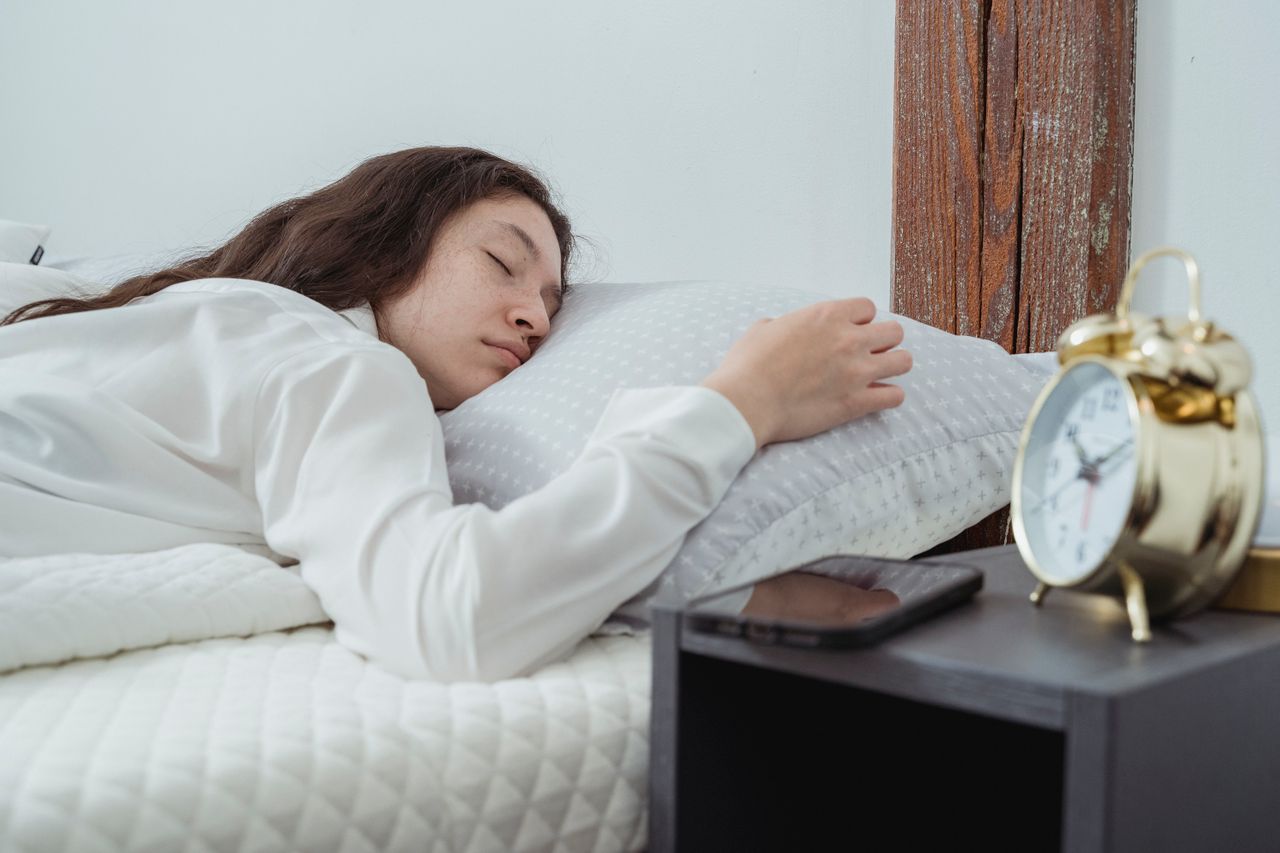
Getting enough sleep is an important part of maintaining physical health, mental well-being, concentration, and daily energy. Yet good sleep is not always easy to achieve. Work schedules, stress, evening screen use, caffeine, irregular bedtimes, uncomfortable bedrooms, and other lifestyle factors can interfere with the body’s natural sleep-wake cycle.
Sleep hygiene refers to the everyday habits and environmental conditions that support healthy sleep. These habits cannot solve every sleep problem, particularly when an underlying medical condition or sleep disorder is present, but they can provide a useful foundation for improving sleep quality.
This guide explains 12 practical sleep hygiene habits, why they matter, how to put them into practice, and when persistent sleep problems deserve professional evaluation.
Contents
- Why Sleep Hygiene Matters
- How Sleep and the Circadian Rhythm Work
- 1. Keep a Consistent Sleep and Wake Schedule
- 2. Create a Relaxing Pre-Bed Routine
- 3. Reduce Screen Use Before Bed
- 4. Make Your Bedroom Sleep-Friendly
- 5. Limit Caffeine Later in the Day
- 6. Avoid Using Alcohol as a Sleep Aid
- 7. Get Regular Daylight Exposure
- 8. Exercise Regularly
- 9. Avoid Heavy Meals Close to Bedtime
- 10. Manage Stress and Racing Thoughts
- 11. Use Daytime Naps Carefully
- 12. Know When to Seek Medical Help
- Sleep Hygiene in Different Situations
- Common Sleep Myths
- Daily Sleep Checklist
- Frequently Asked Questions
- Conclusion
- Related VitalWell Hub Resources
- References
- Medical Disclaimer
Why Sleep Hygiene Matters
Sleep is an active biological process rather than simply a period when the body is switched off. During sleep, the brain and body carry out processes involved in memory, learning, emotional regulation, physical recovery, immune function, and metabolic regulation.
Regularly getting too little sleep or experiencing fragmented sleep can affect alertness, reaction time, concentration, mood, and the ability to perform everyday activities safely. Over longer periods, insufficient sleep has also been associated with a higher risk of several chronic health conditions, including cardiovascular disease, obesity, and type 2 diabetes.
The Centers for Disease Control and Prevention (CDC) emphasizes the importance of adequate sleep for overall health and daily functioning.
Sleep hygiene is therefore best understood as a collection of behaviors that create favorable conditions for sleep. It is not a guarantee against insomnia or other sleep disorders. If a person has persistent symptoms despite adopting healthier habits, the underlying cause should be assessed rather than simply adding more sleep tips.
How Sleep and the Circadian Rhythm Work
Sleep is regulated by several interacting processes. Two of the most important are the circadian rhythm and the homeostatic sleep drive.
The circadian rhythm is an internal timing system that follows approximately a 24-hour cycle. Light is one of its strongest environmental signals. Daytime light helps promote alertness, while decreasing light in the evening supports the biological transition toward sleep.
The homeostatic sleep drive works differently. The longer you remain awake, the greater your biological pressure to sleep becomes. Sleeping reduces that pressure, allowing the cycle to begin again.
These systems help explain why several seemingly simple habits—such as maintaining a regular wake time, getting daylight during the day, and avoiding excessive stimulation at night—can make sleep easier.
The National Institute of Neurological Disorders and Stroke provides an overview of the biological processes involved in normal sleep.
1. Keep a Consistent Sleep and Wake Schedule
Going to bed and waking up at roughly the same times each day gives your circadian system a predictable pattern to follow. A regular wake time is particularly useful because it provides a strong daily anchor for the sleep-wake cycle.
Large differences between weekday and weekend schedules can make it harder to fall asleep at the desired time on Sunday night or wake comfortably on Monday morning. This mismatch is sometimes described as social jet lag.
How to make your schedule more consistent
- Choose a wake-up time that is realistic for your work or family responsibilities.
- Try to maintain a similar wake time on weekends.
- Allow enough time in bed to obtain adequate sleep.
- If your current schedule is very irregular, change it gradually.
- Avoid repeatedly compensating for short weekday sleep by sleeping extremely late on weekends.
Consistency does not mean every night must be identical. Illness, travel, social events, and work requirements can affect sleep schedules. The objective is to establish a stable pattern most of the time.
Most adults need at least seven hours of sleep per night, although individual requirements vary. The CDC recommends that adults generally obtain 7–9 hours.
2. Create a Relaxing Pre-Bed Routine
The transition from daytime activity to sleep can take time. If you move directly from work, social media, demanding conversations, or stimulating entertainment into bed, your mind may remain active even when you are physically tired.
A predictable pre-bed routine gives you an opportunity to reduce stimulation and prepare mentally for sleep.
Relaxing activities to consider
- Reading a printed book
- Taking a warm shower or bath
- Gentle stretching
- Slow breathing exercises
- Mindfulness or quiet reflection
- Writing down tasks for the following day
- Listening to calm music
- Prayer or another quiet personal practice
The routine does not need to last for a specific number of minutes. What matters most is that the activities are calming and repeated consistently.
If your mind tends to become busy when you get into bed, writing down unfinished tasks or worries before bedtime can help separate planning time from sleep time.
Relaxation techniques can be useful, but they should not become another source of pressure. The goal is to create conditions that make sleep easier, not to force yourself to fall asleep.
3. Reduce Screen Use Before Bed
Smartphones, tablets, computers, and televisions can interfere with sleep in more than one way. Their light can affect circadian timing, while the content itself can keep the brain engaged.
Evening exposure to bright light can suppress or delay melatonin production, particularly when the light is intense and close to the eyes. However, the effect of screens is not simply a matter of “blue light.” The time spent on devices, emotional stimulation, notifications, and delayed bedtime can also contribute to sleep problems.
A practical approach is to create a period of reduced screen use before bed.
Try these changes
- Dim bright screens in the evening.
- Use night-mode or reduced-light settings if helpful.
- Turn off unnecessary notifications.
- Avoid work-related messages immediately before bed.
- Keep the phone away from the pillow or bed when possible.
- Replace late-night scrolling with a quiet activity.
If completely avoiding screens is unrealistic, reducing their intensity and duration is still a reasonable starting point.
4. Make Your Bedroom Sleep-Friendly
Your bedroom should make sleep easier rather than harder. Light, noise, temperature, bedding, and comfort can all influence whether you remain asleep through the night.
Keep the room as dark as practical
Darkness supports the body’s normal nighttime signaling. Blackout curtains, blinds, or a comfortable eye mask can help if outdoor or indoor light is disturbing you.
Reduce disruptive noise
Sudden or persistent noise can cause brief awakenings or make it harder to remain asleep. If environmental noise cannot be eliminated, some people find steady background sound, earplugs, or a fan useful.
Keep the temperature comfortable
There is no single bedroom temperature that is ideal for everyone. A room that is comfortably cool rather than excessively hot is generally more supportive of sleep. Clothing and bedding should also allow you to avoid overheating.
Consider your mattress and pillow
If your mattress or pillow causes persistent discomfort, replacing it may be worthwhile. The best choice depends on body size, sleeping position, personal comfort, and individual health needs.
A clean, uncluttered, comfortable bedroom can also strengthen the mental association between the bedroom and sleep.
5. Limit Caffeine Later in the Day
Caffeine can increase alertness by blocking adenosine receptors in the brain. Adenosine is involved in the buildup of sleep pressure during wakefulness. As a result, caffeine can make a tired person feel more alert even when the body is ready for sleep.
Caffeine does not disappear from the body immediately. Its effects can persist for several hours, and people vary considerably in how quickly they metabolize it.
Common caffeine sources include coffee, tea, energy drinks, cola, chocolate, pre-workout products, and some medicines or supplements.
If caffeine may be affecting your sleep
- Move your last caffeinated drink earlier in the day.
- Check energy drinks and pre-workout products for caffeine.
- Pay attention to whether afternoon caffeine is followed by difficulty sleeping.
- Reduce caffeine gradually if you consume large amounts to avoid withdrawal symptoms.
A commonly used approach is to avoid caffeine for at least six hours before bedtime, although sensitive individuals may need a longer interval.
The exact timing should be individualized. If you consistently sleep well after an earlier afternoon coffee, there may be less reason to eliminate it completely. If the same drink repeatedly delays sleep, moving it earlier is more appropriate.
6. Avoid Using Alcohol as a Sleep Aid
Alcohol can make some people feel sleepy initially, which can create the impression that it improves sleep. However, sedation is not the same thing as normal restorative sleep.
Alcohol can alter normal sleep architecture and may increase nighttime awakenings as its effects wear off. It can also worsen snoring and obstructive sleep apnea in susceptible people.
For this reason, using alcohol specifically to make yourself fall asleep is not a healthy long-term strategy.
If you drink alcohol, keeping it away from bedtime may reduce nighttime disruption. People with suspected sleep apnea should be particularly cautious because alcohol can worsen airway obstruction during sleep.
If you are looking for an evening alternative, consider water, a non-caffeinated beverage, reading, gentle stretching, or another relaxing activity.
7. Get Regular Daylight Exposure
Light is one of the strongest environmental signals used by the circadian system. Spending time outdoors during daylight, particularly earlier in the day, helps provide the body with a clear distinction between daytime and nighttime.
Many modern lifestyles involve long periods indoors under relatively dim artificial lighting. Increasing daytime exposure to natural light can therefore be a useful component of a healthy sleep routine.
Simple ways to get more daylight
- Open curtains or blinds after waking.
- Take a morning walk.
- Spend part of your lunch break outdoors.
- Exercise outside when practical.
- Work near a window when possible.
There is no universal number of minutes that every person must spend in sunlight. The intensity of daylight, time of day, weather, location, season, and individual circumstances all matter.
Avoid looking directly at the sun. Normal outdoor daylight exposure is sufficient; staring at the sun is unnecessary and can damage the eyes.
8. Exercise Regularly
Regular physical activity can support better sleep while also improving cardiovascular health, metabolic health, mood, and physical fitness.
People who are physically active often report better sleep quality than those who are largely sedentary. Exercise may influence sleep through several pathways, including stress reduction, mood improvement, energy regulation, and circadian timing.
Activities that can support sleep
- Walking
- Cycling
- Swimming
- Strength training
- Jogging
- Yoga
- Gentle stretching
You do not need intense workouts to obtain the sleep-related benefits of physical activity. If you are currently inactive, starting with regular walking is a practical option.
Exercise timing is individual. Some people sleep comfortably after evening exercise, while others find vigorous late-night workouts stimulating. If evening exercise consistently keeps you awake, move demanding workouts earlier in the day.
9. Avoid Heavy Meals Close to Bedtime

Eating a large meal shortly before lying down can cause discomfort, particularly in people who experience indigestion or acid reflux. A heavy meal may also make it harder to feel comfortable while trying to sleep.
People with gastroesophageal reflux disease (GERD) may be especially sensitive to late meals because lying down soon after eating can worsen reflux symptoms.
Practical evening eating habits
- Avoid very large meals immediately before bed.
- Allow enough time for digestion before lying down.
- Limit foods that you know trigger reflux or indigestion.
- Avoid large amounts of caffeine late in the day.
- If you are hungry before bed, choose a modest snack rather than a very large meal.
There is no single food that guarantees better sleep. Overall dietary quality matters more than relying on a particular “sleep food.”
A balanced eating pattern that includes vegetables, fruits, whole grains, legumes, lean proteins, nuts, seeds, and healthy fats supports overall health and can complement good sleep habits.
10. Manage Stress and Racing Thoughts
A tired body does not always produce a sleepy mind. Stress, anxiety, work concerns, financial worries, family responsibilities, and health concerns can keep the brain active when you want to rest.
Stress activates physiological systems that increase alertness. When this activation occurs repeatedly at bedtime, it can become difficult to transition into sleep.
Strategies that may help
- Write down tomorrow’s tasks before going to bed.
- Practice slow, controlled breathing.
- Try progressive muscle relaxation.
- Use mindfulness or quiet reflection.
- Exercise regularly during the day.
- Reduce stressful or emotionally intense content before bedtime.
- Set boundaries around work-related activities in the evening.
If worries repeatedly prevent you from sleeping, consider setting aside a short period earlier in the evening to think through problems and possible solutions. This can reduce the tendency to use bedtime as the main opportunity for planning.
Persistent anxiety, depression, panic symptoms, or severe stress deserve professional attention rather than being treated solely as a sleep-hygiene problem.
11. Use Daytime Naps Carefully
Napping is not inherently unhealthy. A short nap can temporarily improve alertness and reduce fatigue, especially after insufficient sleep or during demanding schedules.
The problem occurs when naps are long, frequent, or taken late in the day. These naps can reduce the natural sleep pressure that builds during waking hours and make nighttime sleep more difficult.
If you need a nap
- Keep it relatively short.
- Take it earlier in the afternoon when possible.
- Avoid using long naps to compensate routinely for inadequate nighttime sleep.
- If naps repeatedly interfere with nighttime sleep, shorten them or discuss the problem with a healthcare professional.
A common recommendation is a nap of around 20–30 minutes for adults who need a brief daytime boost. Individual needs differ, and people working night shifts may require a different strategy.
Excessive daytime sleepiness despite apparently adequate nighttime sleep should not simply be managed with naps. It may be a sign of an underlying sleep disorder or another medical problem.
12. Know When to Seek Medical Help
Sleep hygiene is useful, but it is not a substitute for medical evaluation when symptoms are persistent, severe, or associated with other health problems.
Consider speaking with a healthcare professional if sleep problems continue for weeks, repeatedly interfere with daytime activities, or occur despite making reasonable changes to your sleep habits.
Important warning signs include:
- Persistent difficulty falling or staying asleep
- Excessive daytime sleepiness
- Loud or persistent snoring
- Gasping, choking, or breathing pauses during sleep
- Repeated morning headaches
- Falling asleep unintentionally during the day
- Persistent restless or uncomfortable legs at night
- Sleep problems that substantially affect work, school, relationships, or safety
Possible underlying causes
Persistent sleep problems can be associated with insomnia, obstructive sleep apnea, restless legs syndrome, circadian rhythm disorders, depression, anxiety, chronic pain, medication effects, substance use, or other medical conditions.
Obstructive sleep apnea deserves particular attention. Loud snoring accompanied by witnessed breathing pauses, gasping, morning headaches, or significant daytime sleepiness warrants medical assessment.
For chronic insomnia, Cognitive Behavioral Therapy for Insomnia (CBT-I) is an evidence-based treatment and is generally preferred as a first-line treatment for chronic insomnia rather than relying on long-term sleeping pills.
The National Heart, Lung, and Blood Institute provides further information about insomnia and its treatment.
Sleep Hygiene in Different Situations
Sleep and shift work
Nurses, healthcare workers, security personnel, drivers, emergency workers, and others who work irregular hours face a particular challenge because their work schedules may conflict with the body’s natural circadian timing.
Shift workers may benefit from keeping their sleep environment dark and quiet, limiting caffeine toward the end of a shift, protecting their main sleep period, and maintaining as much consistency as their schedule allows.
If daytime sleep is necessary, blackout curtains, an eye mask, and noise reduction can make the environment more suitable for rest.
Sleep and older adults
Sleep patterns often change with age. Older adults may experience earlier sleep and wake times, lighter sleep, and more nighttime awakenings. These changes do not mean that sleep becomes unimportant.
Pain, medications, medical conditions, reduced activity, urinary symptoms, depression, anxiety, and sleep apnea can also contribute to sleep disruption in older adults.
Persistent changes should therefore be discussed with a healthcare professional rather than automatically attributed to aging.
Sleep and mental well-being
Sleep and mental health influence each other. Poor sleep can make stress and emotional regulation more difficult, while anxiety and depression can disrupt sleep.
When sleep difficulties occur alongside persistent sadness, severe anxiety, panic symptoms, or other significant mental health concerns, addressing both problems is important.
Sleep and immune health
Adequate sleep supports normal immune function. Sleep loss can affect immune signaling and may influence how the body responds to infection and inflammation.
This does not mean that sleep alone can prevent or cure infections. Rather, adequate sleep is one component of maintaining normal physiological function alongside nutrition, physical activity, vaccination where appropriate, hygiene, and medical care.
Common Sleep Myths and What the Evidence Suggests
Myth: “I can train my body to function normally on four or five hours of sleep.”
Some people naturally require less sleep than others, but most adults need considerably more than four or five hours. People can become accustomed to the feeling of sleep restriction while still experiencing measurable impairment in attention, reaction time, and cognitive performance.
Myth: “Alcohol helps me get better sleep.”
Alcohol can make you drowsy, but it can also fragment sleep and alter normal sleep architecture. Sedation should not be confused with restorative sleep.
Myth: “Everyone must sleep exactly eight hours.”
Eight hours is a useful reference point, but sleep needs vary. Most adults generally need around 7–9 hours, with individual differences.
Myth: “Snoring is always harmless.”
Occasional snoring is common, but loud chronic snoring combined with gasping, choking, witnessed breathing pauses, or significant daytime sleepiness can indicate obstructive sleep apnea.
Myth: “More sleep is always better.”
Adequate sleep is important, but consistently sleeping for unusually long periods can sometimes be associated with underlying health problems. The appropriate amount of sleep depends on age, health, and individual circumstances.
Daily Sleep Hygiene Checklist
You do not need to change everything at once. Start with the habits that are most relevant to your current routine.
- Wake up at a consistent time.
- Get natural daylight during the day.
- Stay physically active.
- Limit caffeine later in the day.
- Avoid relying on alcohol to fall asleep.
- Keep evening meals comfortable and moderate.
- Reduce stimulating screen use before bed.
- Create a predictable wind-down routine.
- Keep your bedroom dark, quiet, and comfortable.
- Manage stress before getting into bed.
- Keep daytime naps short and appropriately timed.
- Allow enough time for sleep.
The objective is not perfection. A consistent pattern of healthy behaviors is more realistic and useful than attempting to follow a rigid routine every night.
Frequently Asked Questions About Sleep Hygiene
How many hours of sleep do adults need?
Most adults need approximately 7–9 hours of sleep per night. Individual needs vary, but regularly obtaining less than the recommended amount can affect health and daytime functioning.
What is the most important sleep hygiene habit?
There is no single habit that works for everyone. A consistent sleep-wake schedule, adequate time for sleep, appropriate daytime light exposure, and a calm nighttime routine are particularly useful foundations.
Can sleep hygiene cure insomnia?
Sleep hygiene can help when poor sleep is related to lifestyle or environmental factors. However, chronic insomnia often requires a more structured treatment approach, such as CBT-I, and should not automatically be treated as a simple lifestyle problem.
Should I stop using my phone completely before bed?
Not necessarily. Reducing bright light, emotionally stimulating content, notifications, and prolonged scrolling can be helpful. If possible, create a period before bed in which your phone is not the main source of entertainment or work.
Does exercise improve sleep?
Regular physical activity is associated with better sleep quality for many people. The best timing varies. If intense evening exercise keeps you alert, move it earlier.
Is a short nap healthy?
A brief daytime nap can improve alertness for some people. However, long or late naps may interfere with nighttime sleep. If you regularly need long naps despite adequate time in bed, consider discussing the issue with a healthcare professional.
When should I worry about snoring?
Seek medical advice if loud snoring is accompanied by gasping, choking, witnessed breathing pauses, morning headaches, significant daytime sleepiness, or difficulty staying awake during routine activities.
Conclusion
Better sleep usually comes from a combination of consistent habits rather than a single trick or supplement. Maintaining a stable sleep schedule, getting daylight during the day, staying physically active, moderating caffeine and alcohol, reducing evening stimulation, and creating a comfortable bedroom can all support healthier sleep.
These habits are most effective when they become part of an ordinary daily routine. You do not need to make every change immediately. Choose one or two areas that are currently disrupting your sleep and improve them gradually.
At the same time, persistent sleep problems should not be dismissed as poor habits. Chronic insomnia, sleep apnea, restless legs syndrome, circadian rhythm disorders, mental health conditions, medication effects, and other medical problems can require professional assessment and treatment.
Good sleep is not simply about feeling rested the next morning. It is an important part of maintaining physical health, cognitive performance, emotional well-being, and a healthy quality of life over time.
References
- Centers for Disease Control and Prevention (CDC) — Sleep
- National Heart, Lung, and Blood Institute — Sleep Health
- National Heart, Lung, and Blood Institute — Insomnia
- National Institute of Neurological Disorders and Stroke — Understanding Sleep
- National Institute on Aging — A Good Night’s Sleep
- Sleep Foundation — Sleep Health Resources
- National Institute of Mental Health — Mental Health Information
- American Psychological Association — Stress
- Cleveland Clinic — Sleep Hygiene
- Harvard Health Publishing — Sleep
Medical Disclaimer
The information in this article is provided for general educational purposes and is not a substitute for individualized medical advice, diagnosis, or treatment. Sleep problems can have different causes, and the appropriate evaluation or treatment depends on the individual.
If you have persistent insomnia, excessive daytime sleepiness, loud snoring with breathing pauses, severe mental health symptoms, or another concerning symptom, consult a qualified healthcare professional.
Do not stop prescribed medicines or delay professional medical care based solely on information published online.