Author: J. Muchui, RN Registered Nurse & Health and Wellness Educator
Medical Review: J. Muchui, RN
Last Updated: October 2026
Top 10 Wellness Apps to Consider in 2026: Fitness, Nutrition, Sleep and Mental Well-Being
Wellness apps can help people organize workouts, understand eating habits, practise mindfulness, monitor activity, and develop healthier routines. This guide compares 10 widely known wellness apps across fitness, nutrition, sleep, recovery, and mental well-being, including SlimStrong Women, a home-fitness app developed by VitalWell Hub.
Introduction
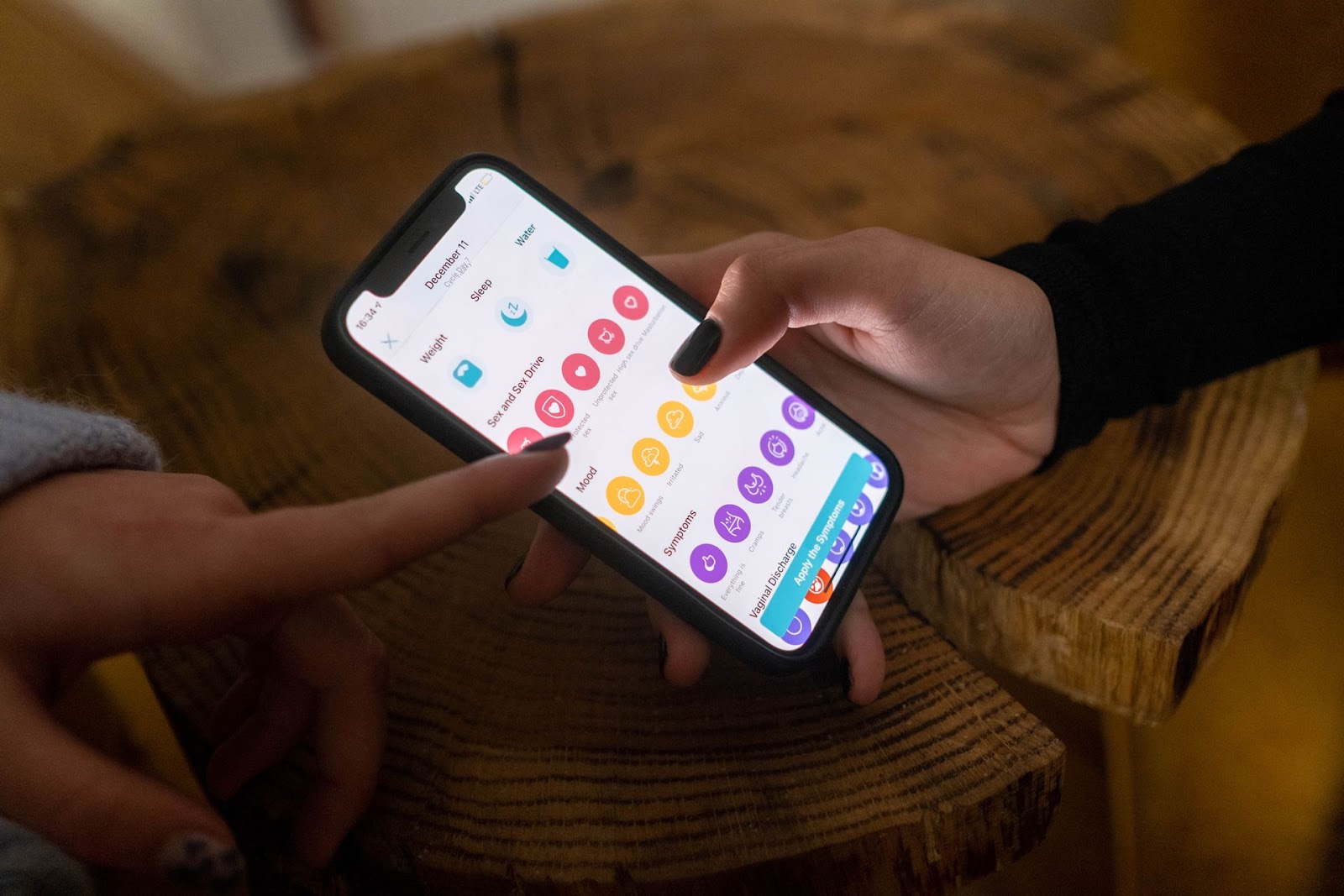
Smartphones have become useful tools for managing many aspects of everyday health. A single device can provide access to exercise programmes, food-tracking tools, meditation sessions, sleep information, activity records, and reminders that encourage healthier habits.
The growing number of wellness apps, however, also creates a practical problem: choosing the right one. Some applications are designed mainly for exercise, while others concentrate on nutrition, mindfulness, sleep, recovery, or mental well-being. Many also overlap in their features.
For that reason, the most useful question is not simply which wellness app is the most popular. It is whether a particular app fits your goals, lifestyle, budget, privacy preferences, and level of experience.
This guide looks at 10 established wellness platforms from different categories. The apps are presented by their primary purpose rather than as a definitive ranking. A fitness app that works well for one person may be unnecessary for another.
Digital tools should also be viewed in the right context. An app can make healthy behavior easier to organize and monitor, but the health benefit comes from the behavior itself. Regular physical activity, nutritious food, adequate sleep, stress management, preventive healthcare, and appropriate medical treatment remain more important than the technology used to track them.
Quick Answer: Which Wellness App Should You Choose?
There is no single wellness app that is best for everyone. Your choice should depend on the behavior you want to improve.
- Home fitness for women: SlimStrong Women
- Meditation and relaxation: Calm
- Structured mindfulness: Headspace
- Food and nutrition tracking: MyFitnessPal
- Behavior-focused weight management: Noom
- Activity and wearable tracking: Fitbit
- Instructor-led digital fitness: Peloton
- Training and recovery monitoring: WHOOP
- Sleep and readiness tracking: Oura
- Conversational mental wellness: Wysa
Editorial disclosure: SlimStrong Women is developed by VitalWell Hub, the publisher of this website. It is included alongside other wellness platforms so readers can compare different approaches to digital health and fitness. Its inclusion does not mean that it is suitable for every reader.
How to Choose a Wellness App
Before downloading a wellness app, identify the specific behavior you want it to support. Someone who wants to exercise three times a week has different needs from someone who wants to monitor food intake or establish a regular meditation practice.
A useful app should solve a real problem without creating unnecessary complexity. Consider the following factors.
1. Purpose
Look at what the app is actually designed to do. An exercise app may be excellent for workouts but provide little value for someone primarily interested in sleep. Choosing according to your main objective makes it easier to avoid downloading several applications that perform similar functions.
2. Evidence and credibility
Health-related claims deserve particular attention. An app should not be treated as trustworthy simply because it uses scientific terminology or presents attractive health dashboards. Look for transparent information about the developer, the purpose of the application, and the evidence behind health-related claims.
3. Usability
An app can have dozens of features and still be unhelpful if it is difficult to use. Simple navigation, understandable instructions, appropriate reminders, and an interface that fits your routine can matter more than the number of available features.
4. Cost
Check whether the features you actually need are free or require a subscription. A free download does not necessarily mean that the main functions are free.
5. Privacy
Wellness applications may handle information about activity, food intake, sleep, body measurements, location, or other personal behaviors. Before entering sensitive information, review the application’s privacy information and permissions.
The National Center for Complementary and Integrative Health recommends considering who developed a mobile health app, what information it provides, what data it accesses, and how personal information is handled.
10 Wellness Apps to Consider in 2026
The following apps represent different areas of digital wellness. They are not arranged from “best” to “worst.” Each has a different purpose, and the most appropriate choice depends on the user’s needs.
1. SlimStrong Women — Home Fitness
SlimStrong Women is an Android fitness application developed by VitalWell Hub for women who prefer structured workouts at home. It is intended to make exercise more convenient for people who may have limited time, prefer not to use a gym, or want a guided starting point for developing a regular fitness routine.
The main advantage of a structured home-fitness app is convenience. Users do not have to spend time designing every workout themselves, and they can exercise in an environment that may be easier to fit around work, family, or other responsibilities.
A home workout can include bodyweight exercises, cardiovascular movements, strength-focused activities, and mobility work. The appropriate level depends on the individual’s fitness, experience, health status, and goals.
SlimStrong Women may therefore be useful for beginners, women returning to exercise, and people who prefer home-based training. It should be viewed as a fitness tool rather than a treatment for obesity or any other medical condition.
As with any exercise programme, users should progress gradually and stop if they experience concerning symptoms such as significant chest pain, fainting, severe shortness of breath, or other symptoms requiring medical assessment.
Best suited to: Women looking for structured home workouts and a convenient way to organize regular exercise.
2. Calm — Meditation and Relaxation
Calm is focused primarily on meditation, relaxation, breathing exercises, and sleep-related content. Its guided format can be useful for people who want a structured way to begin or maintain a mindfulness practice.
One practical advantage of guided meditation is that users do not have to decide what to do during each session. They can select an appropriate session and follow the instructions.
Mindfulness practices may form part of a broader strategy for managing everyday stress and supporting emotional well-being. They should not, however, be considered a substitute for professional assessment or treatment when someone has persistent or severe mental-health symptoms.
Best suited to: People interested in guided meditation, relaxation, and mindfulness-based routines.
3. Headspace — Structured Mindfulness
Headspace provides guided meditation and mindfulness content designed around structured practice. This can be helpful for people who prefer a programme rather than choosing individual sessions without a clear progression.
Mindfulness can be incorporated into different parts of the day. Some users may prefer a short session during the day, while others may use relaxation content as part of an evening routine.
The important consideration is consistency. A short practice that fits realistically into someone’s routine is more sustainable than a demanding programme that is quickly abandoned.
Best suited to: People who prefer guided and structured mindfulness sessions.
4. MyFitnessPal — Food and Nutrition Tracking
MyFitnessPal is primarily a food and nutrition tracking platform. Recording meals can help users become more aware of their eating patterns, portion sizes, and overall intake.
Food tracking may be useful when someone is trying to understand current habits before making changes. For example, a person may discover that certain snacks, beverages, or large portions contribute more to daily intake than they had realized.
However, healthy eating involves more than calories. Dietary quality, protein, fiber, fruits and vegetables, whole grains, healthy fats, cultural preferences, affordability, and sustainability all matter.
People with conditions requiring individualized nutrition advice should not rely solely on an app’s generic recommendations. Diabetes, kidney disease, eating disorders, pregnancy, and other circumstances may require personalized guidance from an appropriately qualified healthcare professional.
Best suited to: People who want to record meals and better understand their dietary patterns.
5. Noom — Behavior and Weight Management
Noom takes a behavior-focused approach to weight management. Instead of treating food choices as a simple list of permitted and restricted foods, its approach emphasizes habits, decision-making, education, and the factors that influence eating behavior.
This can be relevant because eating behavior is affected by many factors beyond hunger. Stress, sleep, environment, convenience, emotions, social situations, and established routines can all influence what and when people eat.
A behavior-focused approach may be more useful for someone who wants to understand why certain habits are difficult to change. Sustainable weight management generally requires changes that can be maintained rather than extreme short-term restrictions.
Best suited to: People interested in the behavioral aspects of weight management and lifestyle change.
6. Fitbit — Activity and Wearable Tracking
Fitbit is associated with wearable-supported tracking of activity and other health-related measurements. Depending on the device and services available, users can review information related to movement, exercise, heart rate, sleep, and other wellness metrics.
Activity tracking can make an otherwise vague goal such as “be more active” easier to monitor. Reviewing patterns over several days may help users identify periods when work, travel, or other responsibilities reduce their activity.
Wearable measurements should nevertheless be interpreted carefully. Consumer devices can be useful for observing trends but should not automatically be treated as equivalent to clinical measurements or used to diagnose disease.
Best suited to: People who want wearable-supported activity tracking and broader lifestyle information.
7. Peloton — Instructor-Led Digital Fitness
Peloton provides instructor-led digital fitness classes across different types of exercise. The structured nature of these sessions can be useful for people who enjoy coaching and prefer to follow a defined workout rather than create one themselves.
A guided class can also reduce the amount of planning required before exercise. Users can select a session according to the activity, duration, or training preference and follow the instructor through the workout.
The value of this approach ultimately depends on adherence. A programme that a person enjoys and follows consistently may be more useful than a theoretically excellent programme that they rarely complete.
Best suited to: People who enjoy instructor-led exercise and structured digital classes.
8. WHOOP — Training and Recovery Tracking
WHOOP focuses heavily on training load, recovery, sleep, and physiological data. This makes it particularly relevant to athletes and people who train frequently and want to understand how exercise and recovery interact.
Recovery is an important part of training. Increasing exercise without sufficient rest can contribute to excessive fatigue and may affect performance. Tracking can help users identify patterns and make more informed decisions about training and rest.
Recovery scores should not be treated as medical diagnoses. Symptoms such as persistent exhaustion, significant pain, dizziness, or unusual shortness of breath should be evaluated based on the person’s health and circumstances rather than an app score alone.
Best suited to: Athletes and training-focused users interested in recovery and performance data.
9. Oura — Sleep, Activity and Readiness
Oura combines a wearable ring with a companion application that provides information related to sleep, activity, recovery, and readiness. Its smaller wearable design may appeal to people who prefer a ring rather than a traditional smartwatch.
Sleep tracking can help users notice patterns such as inconsistent bedtimes or changes in sleep duration. Looking at trends over time can be more useful than becoming overly concerned about an individual night’s score.
Consumer sleep trackers have limitations, and their measurements should not be treated as diagnostic tests for sleep disorders. Persistent sleep problems should be discussed with an appropriate healthcare professional.
Best suited to: People interested in wearable-based sleep and recovery information.
10. Wysa — Digital Mental Wellness
Wysa represents the conversational side of digital mental wellness. Its platform uses a conversational interface and guided exercises to support reflection and everyday emotional well-being.
Digital tools can be accessible because users can engage with them privately and at a convenient time. For some people, a structured digital exercise may be a useful first step toward thinking about stress, emotions, or coping strategies.
However, conversational digital tools are not equivalent to professional mental-health care. They cannot provide the same individualized assessment, clinical responsibility, or therapeutic relationship as a qualified mental-health professional.
Anyone experiencing severe, persistent, or worsening mental-health symptoms should seek appropriate professional support rather than relying solely on a wellness application.
Best suited to: People looking for accessible digital exercises related to everyday emotional well-being.
Wellness Apps at a Glance
| App | Main Purpose | Potentially Useful For |
|---|---|---|
| SlimStrong Women | Home fitness | Women seeking structured home workouts |
| Calm | Meditation and relaxation | Mindfulness and relaxation practice |
| Headspace | Mindfulness | Structured meditation practice |
| MyFitnessPal | Nutrition tracking | Food and dietary awareness |
| Noom | Behavior-focused weight management | Habit and behavior change |
| Fitbit | Activity and wearable tracking | Everyday activity monitoring |
| Peloton | Digital fitness classes | Instructor-led training |
| WHOOP | Training and recovery | Athletic training and recovery |
| Oura | Sleep and readiness | Sleep and recovery trends |
| Wysa | Digital mental wellness | Everyday emotional well-being |
How to Use Wellness Apps Effectively
The value of a wellness app depends less on how many features it contains and more on whether it helps you maintain a useful behavior. Downloading an application is only the beginning. The goal is to turn the tool into part of a realistic routine.
Start with one clear goal
Choose a specific behavior rather than trying to improve everything simultaneously. For example, you might decide to complete three workouts per week, establish a consistent bedtime, or record your meals for two weeks to understand your eating patterns.
Keep the routine realistic
A routine that fits your actual schedule is more sustainable than an ambitious plan that repeatedly fails because it requires more time than you have available. Beginners may benefit from starting with manageable sessions and gradually increasing duration or intensity.
Use tracking to identify patterns
Tracking is most useful when it helps you make decisions. You do not need to monitor every available measurement. Focus on information that answers a meaningful question, such as whether you are exercising consistently or whether your sleep schedule is becoming more regular.
Avoid becoming dependent on scores
A daily score cannot capture every aspect of health. Sleep, recovery, mood, energy, and exercise performance naturally fluctuate. Look at longer-term patterns rather than assuming that one unusual number tells you everything about your health.
Combine technology with ordinary movement
A fitness app should complement physical activity rather than become a substitute for it. Walking, household activity, active commuting, recreational exercise, and structured workouts can all contribute to overall movement.
The World Health Organization’s physical-activity guidance emphasizes that regular movement is important for health and that some physical activity is better than none.
For adults, WHO recommends regular moderate or vigorous physical activity throughout the week, together with muscle-strengthening activity. Individual recommendations may need to be adjusted according to age, health status, fitness level, and other circumstances.
Remember recovery
Exercise is only one part of fitness. Sleep, rest, adequate nutrition, and recovery also influence how well the body adapts to training. Increasing exercise dramatically without allowing enough recovery can be counterproductive.
Do You Need More Than One Wellness App?
Usually, no. One well-chosen app may be enough for a specific goal. Adding more applications can be useful when each performs a distinct function, but multiple overlapping trackers can also create unnecessary notifications and information overload.
For example, someone whose main goal is to exercise at home may only need a fitness application. A person who also wants to understand dietary habits could add a nutrition tracker. Someone interested in sleep may benefit from a wearable platform or sleep-focused tool.
The simplest effective combination is usually better than a complicated collection of apps that you rarely use.
A practical rule: Every app in your wellness routine should have a clear purpose. If you cannot explain what a particular app helps you do, you probably do not need it.
Privacy and Safety Considerations
Wellness apps can collect information that is more personal than ordinary entertainment apps. Depending on the application, this may include activity records, food information, sleep data, body measurements, location, or other behavioral information.
Before using a health-related application, review its privacy information and permissions. Consider whether the information requested is necessary for the service you want to use.
The developer should also be identifiable, and health claims should be presented responsibly. Be cautious of applications that promise guaranteed weight loss, claim to diagnose medical conditions without appropriate clinical assessment, or suggest that professional healthcare is unnecessary.
Questions to ask before downloading
- Who developed the app?
- What is the application’s main purpose?
- What personal information does it collect?
- Why does it need that information?
- Does the app explain its health-related claims clearly?
- Does it make unrealistic promises?
- What features require payment?
- Can you control or delete your information where applicable?
The National Center for Complementary and Integrative Health provides additional guidance on evaluating mobile health applications.
Frequently Asked Questions
What is the best wellness app in 2026?
There is no single best wellness app for everyone. The appropriate choice depends on your goal. SlimStrong Women focuses on home fitness for women, MyFitnessPal on food tracking, Calm and Headspace on mindfulness, Fitbit on activity and wearable tracking, and other platforms in this guide address different aspects of wellness.
Which wellness app is suitable for women who want to work out at home?
SlimStrong Women is one option designed specifically around women’s home fitness. It provides structured workouts intended to make regular exercise more convenient. Beginners should select an appropriate level and progress gradually.
Can wellness apps improve health?
They can support healthy behaviors by providing structure, reminders, feedback, education, and opportunities for self-monitoring. However, an app does not produce health benefits on its own. The benefit comes from the behavior it helps a person maintain.
Are wellness apps a substitute for a doctor?
No. Wellness applications can support lifestyle management but should not replace professional medical assessment, diagnosis, or treatment. Persistent or concerning symptoms should be evaluated by an appropriate healthcare professional.
Can home workouts be effective?
Yes. Home-based exercise can improve fitness when the programme is appropriate, performed consistently, and progressed over time. Bodyweight exercises, resistance training, cardiovascular activity, and mobility work can all form part of a well-designed routine.
Do I need a wearable device to use a wellness app?
No. Many fitness, nutrition, meditation, and home-workout apps work without a wearable device. Wearables become more useful when you specifically want additional information about activity, sleep, heart rate, or recovery.
Are wearable health measurements always accurate?
No consumer wearable should be assumed to provide perfectly accurate clinical measurements in every situation. Wearables can be useful for identifying trends, but unusual results should be interpreted in context. Symptoms and medical concerns should be assessed by a healthcare professional.
How many wellness apps should I use?
There is no required number. One app may be sufficient. If you use several, each should have a distinct purpose. Too many overlapping apps can create unnecessary tracking and notifications without providing additional value.
Key Takeaways
- Wellness apps can support exercise, nutrition awareness, mindfulness, sleep, recovery, and emotional well-being.
- There is no universally best wellness app; the right choice depends on your specific goal and circumstances.
- SlimStrong Women focuses on structured home fitness for women and is developed by VitalWell Hub.
- Calm and Headspace focus on meditation and mindfulness, while MyFitnessPal focuses primarily on food tracking.
- Noom emphasizes behavior and lifestyle factors associated with weight management.
- Fitbit, WHOOP, and Oura offer different approaches to wearable-supported activity, sleep, recovery, and readiness tracking.
- Peloton is designed around instructor-led digital fitness, while Wysa provides conversational digital mental-wellness tools.
- More health data is not necessarily better. Use the information that helps you make useful decisions.
- Check privacy practices, costs, developer information, and health claims before adopting an app.
- Wellness apps should complement rather than replace appropriate professional healthcare.
References and Further Reading
- World Health Organization — Classification of Digital Interventions, Services and Applications in Health
- World Health Organization and International Telecommunication Union — Mobile Health for Physical Activity
- World Health Organization — Physical Activity
- Centers for Disease Control and Prevention — Physical Activity
- National Center for Complementary and Integrative Health — Evaluating Mobile Health Apps
Conclusion
Wellness apps can make healthy routines easier to organize, but technology is only one part of the process. The most useful application is usually the one that addresses a specific need and fits naturally into everyday life.
For someone focused on home exercise, a structured fitness application may be useful. Someone trying to understand eating habits may benefit from nutrition tracking, while another person may prefer a mindfulness or sleep-focused platform. Wearable systems can add another layer of information for people who want to monitor activity or recovery.
The important thing is to avoid treating an app as a replacement for healthy behavior or professional healthcare. Use technology to support realistic goals, monitor useful patterns, and make healthy choices easier to maintain.
For women looking for a structured home-fitness option, you can learn more about SlimStrong Women on Google Play .
For additional evidence-based information about fitness, nutrition, sleep, preventive health, and wellness, explore VitalWell Hub .
Medical Disclaimer
This article is provided for general educational and informational purposes only. It does not constitute medical advice, diagnosis, or treatment and should not replace consultation with a qualified healthcare professional.
Wellness applications and wearable devices may provide useful information about lifestyle behaviors, but their measurements and recommendations should not automatically be interpreted as clinical diagnoses.
Before beginning a new exercise programme, particularly if you have a medical condition, significant injury, are pregnant or recently gave birth, or have been advised to restrict physical activity, seek appropriate professional guidance.