Can Skincare Products Cause Cancer? What the Science Says
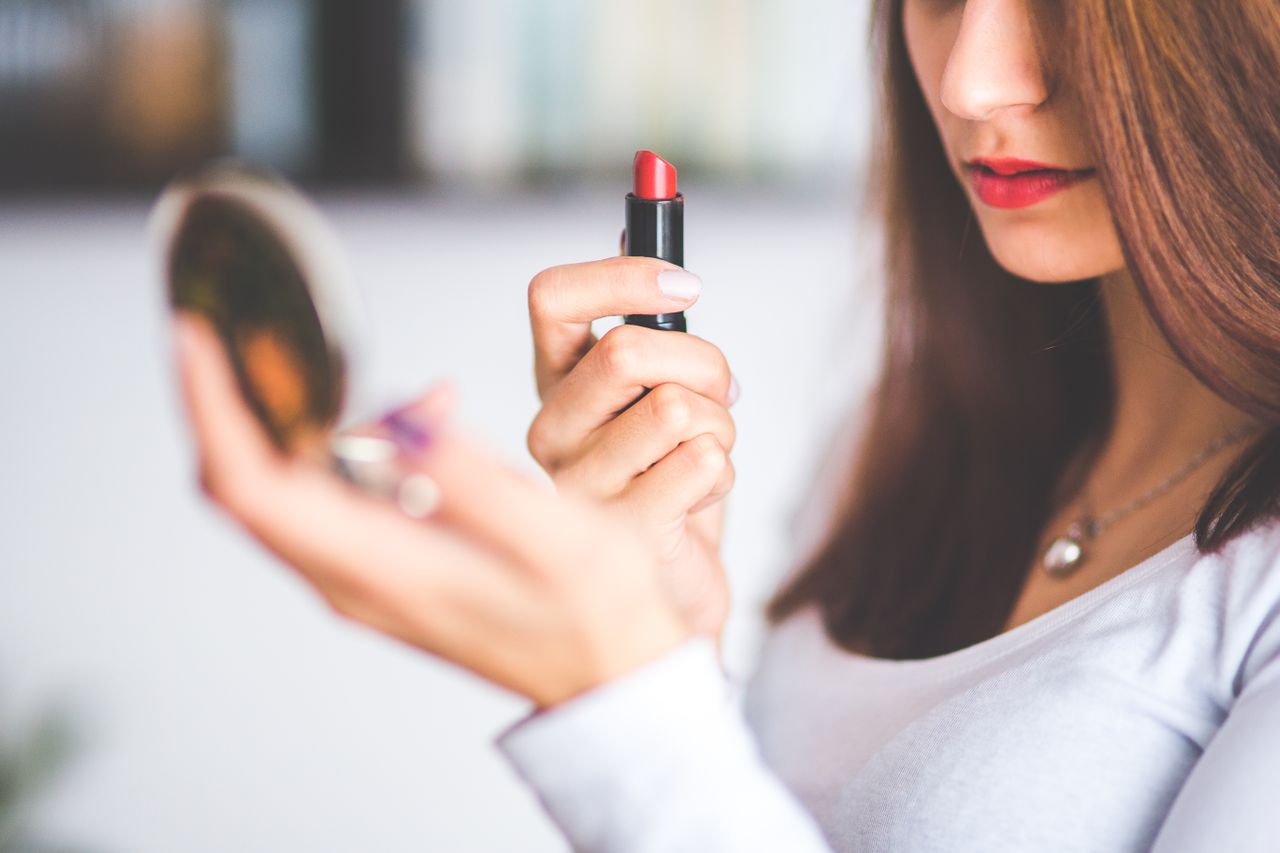
Can skincare products cause cancer?
Current evidence does not establish that normal use of appropriately formulated, legally marketed skincare and cosmetic products causes cancer. However, some ingredients have genuine toxicological hazards, and risk depends on the specific substance, concentration, formulation, route and duration of exposure, and individual susceptibility. Counterfeit or unregulated products can present additional and less predictable risks. For skin-cancer prevention, reducing excessive ultraviolet (UV) exposure has much stronger evidence than avoiding cosmetic ingredients simply because they sound unfamiliar.
Key Takeaways
- There is no good evidence that ordinary use of regulated skincare products, as directed, generally causes cancer.
- A chemical’s hazard is not the same thing as the risk from a particular real-world exposure.
- Parabens, fragrances, phthalates, and formaldehyde-releasing preservatives require ingredient-specific and exposure-specific assessment.
- Counterfeit and unregulated cosmetics may contain undeclared or inappropriate substances and are harder to assess for safety.
- Mercury-containing skin-lightening products are a genuine public-health concern.
- Excessive UV exposure is a well-established cause of skin cancer, making sun protection one of the most important skincare safety measures.
Introduction
Modern skincare can involve cleansers, moisturizers, sunscreens, retinoids, exfoliating acids, antioxidants, pigment-correcting treatments and many other formulations. With so many ingredients appearing on product labels, it is understandable that consumers sometimes ask whether repeated exposure to skincare products could increase their cancer risk.
The answer requires more than looking at an ingredient name. Toxicology distinguishes between hazard and risk. A substance may have the ability to cause harm under particular conditions, but the actual risk to a person depends on the amount of exposure, how the substance enters the body, how long exposure continues, and whether enough of it reaches a biologically relevant target.
The skin is also an important protective barrier. The outer layer, known as the stratum corneum, limits the movement of many substances into deeper tissues and the bloodstream. Absorption varies according to the properties of the ingredient, formulation, concentration, contact time and condition of the skin.
This means that finding an ingredient in a cosmetic product does not by itself demonstrate that the finished product is carcinogenic. A meaningful assessment must consider the actual exposure created by normal use.
How the Skin Limits Chemical Absorption
The skin consists broadly of the epidermis, dermis and subcutaneous tissue. The outermost part of the epidermis, the stratum corneum, provides much of the barrier function that protects the body from environmental substances and prevents excessive water loss.
The stratum corneum is sometimes described as having a “brick-and-mortar” structure. Corneocytes provide the cellular component while surrounding lipids help create a relatively continuous barrier.
Some substances can cross the skin efficiently. Transdermal medicines such as nicotine patches are deliberately formulated to achieve systemic absorption. Most ordinary skincare products have a different purpose and are designed primarily to act at or near the skin surface.
This distinction is important when interpreting studies about cosmetic ingredients. A laboratory experiment may demonstrate that a substance can produce a biological effect at a particular concentration. That finding does not automatically mean that routine cosmetic use produces the same exposure in humans.
Why Some Skincare Cancer Claims Are Misleading
Online discussions often begin with a legitimate scientific observation and then make a much broader conclusion than the evidence supports. For example, an ingredient may show activity in cultured cells, produce an effect in an animal study at a relatively high exposure, or have a hazard classification based on a particular occupational exposure.
These findings can be important for identifying potential hazards. However, they do not automatically demonstrate that normal use of a finished cosmetic product causes cancer in humans.
Researchers intentionally use controlled experimental conditions to identify biological effects. Human risk assessment asks a different question: does the exposure experienced by consumers reach a level that is plausibly capable of producing the relevant effect?
This is why scientific interpretation should distinguish between hazard identification and risk assessment. Confusing the two can make a trace ingredient appear equivalent to a substantially higher occupational or experimental exposure.
Parabens and Cancer Risk
Parabens are preservatives used to help prevent microbial growth in water-containing cosmetic formulations. Examples include methylparaben, ethylparaben, propylparaben and butylparaben.
Concern about parabens partly arose because some parabens can interact weakly with estrogen receptors under experimental conditions. A frequently cited study also reported detecting parabens in breast tumor tissue. However, detecting a substance in tissue does not establish that it caused the cancer or increased a person’s probability of developing cancer.
Regulatory and scientific assessments have considered the toxicology, metabolism, concentrations used in cosmetics and expected exposure to individual parabens. The available evidence does not establish that permitted cosmetic use of parabens causes cancer in humans.
The appropriate conclusion is therefore not that every possible exposure is harmless. Rather, individual compounds and their actual exposure conditions should be evaluated using toxicological and regulatory evidence.
Formaldehyde-Releasing Preservatives
Some cosmetic preservatives can release small amounts of formaldehyde, helping protect products against microbial contamination. Formaldehyde is a recognized carcinogenic hazard under certain exposure conditions, particularly with sufficient and prolonged inhalation exposure.
That classification should not be interpreted to mean that every cosmetic containing a formaldehyde-releasing preservative creates the same risk as a workplace involving substantial airborne formaldehyde. Exposure route, concentration and duration matter.
These preservatives can also cause irritation or allergic contact dermatitis in susceptible individuals. Those are established dermatological concerns, but they are not evidence that a particular cosmetic causes cancer.
Phthalates: Why the Ingredient Name Is Not Enough
Phthalates are a broad family of chemicals with different properties and different applications. Some members of this chemical family have raised reproductive or developmental concerns and have been restricted in certain uses.
It is therefore inaccurate to treat every phthalate as though it has an identical toxicity profile. Scientific assessment needs to consider the specific compound and the exposure involved.
For the specific question of whether ordinary cosmetic exposure to permitted phthalate compounds causes cancer, the evidence does not justify a blanket conclusion that all such skincare or cosmetic products are carcinogenic.
Fragrance: A More Common Concern Is Skin Sensitivity
“Fragrance” can refer to a mixture of individual substances used to give a product a particular scent. Because formulations can contain multiple fragrance components, the term can sometimes sound more alarming than the actual risk assessment warrants.
For many consumers, the more immediate concern is irritation or allergic contact dermatitis. People with sensitive or reactive skin may therefore prefer fragrance-free products.
Choosing fragrance-free skincare can be a sensible way to reduce the chance of irritation, but that recommendation should not be presented as proof that ordinary fragrance-containing cosmetics cause cancer.
Coal Tar Shows Why Context Matters
Coal tar is a useful example of why chemical safety cannot be reduced to a simple “safe” or “toxic” label. Some components of coal tar have carcinogenic properties at sufficiently high or prolonged exposures, yet coal-tar preparations have also been used medically for certain inflammatory skin conditions.
Medical formulations are used according to defined treatment instructions rather than as unrestricted environmental exposure. The relevant question is therefore not simply whether a substance can be hazardous, but what exposure a particular product creates.
Where the More Important Skincare Risks Can Occur
Saying that ordinary regulated skincare use has not been shown to cause cancer does not mean that all skincare products are harmless. Some product categories and practices deserve considerably more attention.
Mercury-Containing Skin-Lightening Products
Mercury exposure from skin-lightening products is a genuine public-health concern. Mercury can affect the kidneys and nervous system and can cause other systemic effects.
Consumers should be particularly cautious with skin-lightening products that have no reliable ingredient list, no identifiable manufacturer, make dramatic promises of rapid whitening, or are sold through unverified channels.
Potent Topical Steroids
Corticosteroids have legitimate medical uses, but potent topical steroids should not be used casually or for prolonged periods without appropriate guidance. Misuse can cause skin thinning, visible blood vessels, acne-like eruptions, pigment changes and other complications.
Importantly, these complications demonstrate why a product can be inappropriate or unsafe without necessarily being carcinogenic.
Hydroquinone Misuse
Hydroquinone is a potent skin-lightening ingredient used in specific dermatological settings. Prolonged or inappropriate use can cause irritation and, in some cases, exogenous ochronosis, a difficult-to-treat dark discoloration of the skin.
The practical concern is appropriate use and supervision rather than treating hydroquinone as a proven cause of cancer from ordinary topical use.
Counterfeit and Unregulated Cosmetics
Counterfeit cosmetics create a separate safety problem because the actual contents may not match the label. Products can contain undeclared drugs, heavy metals, prohibited ingredients, inappropriate concentrations or microbial contamination.
This is why purchasing from a reputable and traceable manufacturer or retailer is an important practical safety measure. Professional-looking packaging alone does not establish authenticity.
Ultraviolet Radiation Is a Well-Established Skin-Cancer Risk
When the goal is preventing skin cancer, ultraviolet radiation deserves substantially more attention than speculative concerns about ordinary cosmetic ingredients.
UV radiation can damage DNA in skin cells and contributes to melanoma, basal cell carcinoma and squamous cell carcinoma. Repeated sunburn, tanning-bed exposure and cumulative UV exposure can all increase risk.
The National Cancer Institute and other cancer authorities identify UV exposure as an important environmental risk factor for skin cancer.
Sunscreen and Skin-Cancer Prevention
Sunscreen provides an important counterexample to the idea that skincare is inherently a health risk. Broad-spectrum sunscreen is designed to reduce the amount of UVA and UVB radiation reaching the skin.
Effective sun protection is broader than sunscreen alone. When practical, combine sunscreen with shade, protective clothing, hats and avoidance of unnecessary intense UV exposure.
How to Choose Safer Skincare Products
1. Buy From Traceable Sources
Choose products from identifiable manufacturers and reputable retailers. Be cautious with products that have no clear manufacturer, incomplete labeling, suspicious claims or unusually dramatic promises.
2. Read the Ingredient List in Context
Ingredient lists are useful, but they should not be treated as a simple catalogue of “good” and “bad” chemicals. Concentration, formulation, chemical form, exposure route and intended use all affect safety.
3. Be Careful With Skin-Lightening Products
Products promising extremely rapid or permanent skin lightening deserve particular scrutiny. Avoid products with missing ingredient information, unverifiable manufacturers or suspicious packaging.
4. Introduce Strong Active Ingredients Gradually
Retinoids, exfoliating acids, vitamin C and other active ingredients can be useful for appropriate skin concerns. However, combining several strong actives at once can increase irritation and damage the skin barrier.
Introducing one significant active at a time makes it easier to identify irritation and determine whether a product is suitable for your skin.
5. Consider Skin Sensitivity
A product can be safe in general but unsuitable for a particular person. People with eczema, allergies, persistent dermatitis or highly reactive skin may need simpler formulations and professional guidance.
6. Do Not Assume “Natural” Means Safer
Natural substances can cause irritation, allergy or toxicity just as synthetic substances can. Safety depends on the specific substance, formulation, concentration and exposure rather than whether the ingredient is described as natural.
A Simple Skincare Routine
A complicated skincare routine is not necessary for most people. A basic routine can include a gentle cleanser when needed, a moisturizer appropriate for the skin type and broad-spectrum sunscreen during daytime exposure. Additional treatments can then be selected for specific concerns.
Using fewer products can also make it easier to identify what caused an adverse reaction. Consistency, appropriate product selection and sensible sun protection are generally more important than having a large number of products.
Final Perspective
The current evidence does not support the broad claim that ordinary use of regulated skincare products causes cancer. Some individual substances have genuine toxicological hazards, and certain products or exposure scenarios warrant restrictions or professional guidance. However, those hazards should not automatically be equated with the risk created by normal use of a finished cosmetic product.
Parabens, formaldehyde-releasing preservatives, phthalates and fragrance ingredients should therefore be evaluated in context rather than through blanket claims that they are all carcinogenic. The strength of the evidence, actual exposure and the intended use of the product matter.
For consumers, the most practical approach is straightforward: purchase products from reputable sources, avoid counterfeit or unregulated cosmetics, be especially cautious with poorly labeled skin-lightening products, use potent active ingredients appropriately, and protect the skin from excessive ultraviolet radiation.
Key Takeaway
For most people, current evidence does not show that normal use of appropriately formulated skincare products causes cancer. The more important concerns include counterfeit or unregulated cosmetics, inappropriate use of potent ingredients, and established environmental risks such as excessive UV exposure. Good skincare decisions should be based on evidence, product quality, appropriate use and effective sun protection.
Frequently Asked Questions
Can long-term use of skincare products increase cancer risk?
Current evidence does not establish that normal use of appropriately formulated, regulated skincare products increases cancer risk. Risk depends on the specific substance, exposure level, route, duration and available human evidence.
Should I avoid parabens completely?
Current evidence does not establish that permitted cosmetic parabens cause cancer at normal cosmetic exposure levels. Specific ingredients and their permitted uses should be assessed according to current scientific and regulatory evidence.
Do skincare ingredients enter the bloodstream?
Some substances can cross the skin, but absorption varies considerably. It depends on the ingredient, formulation, concentration, skin condition, application site and contact time. Many cosmetic ingredients have limited systemic absorption when used as directed.
Are natural skincare products safer than synthetic products?
Not necessarily. Natural and synthetic substances can both cause irritation, allergy or toxicity. Safety depends on the specific substance and exposure rather than whether it is described as natural or synthetic.
What is one of the most important preventable causes of skin cancer?
Excessive ultraviolet radiation is a major preventable cause of skin cancer. Reducing unnecessary UV exposure through shade, protective clothing and appropriate sunscreen use is an important prevention strategy.
Are skin-lightening creams dangerous?
Some unregulated skin-lightening products can contain harmful substances such as mercury, potent corticosteroids or other undeclared ingredients. Products without reliable labeling or traceable manufacturing information should be avoided.
How can I tell whether a skincare product is trustworthy?
Look for an identifiable manufacturer, complete labeling, appropriate ingredient information and a reputable retailer or supply chain. Avoid counterfeit or unregulated products, particularly when they make dramatic medical or cosmetic claims.
References
The following organizations provide authoritative information relevant to cosmetic safety, chemical exposure, dermatology and skin-cancer prevention.
Explore
Explore more evidence-based health information from VitalWell Hub.
Medical Disclaimer: This article is for educational and informational purposes only. It does not replace professional medical advice, diagnosis or treatment. Cosmetic safety can depend on the specific ingredient, formulation, concentration, exposure pattern and individual circumstances. Consult a qualified healthcare professional or dermatologist for personalized advice, especially if you develop a persistent skin reaction or are considering medically active skincare treatments.