How Many Hours of Sleep Do Adults Need? Evidence-Based Guide

How Many Hours of Sleep Do Adults Need?
Most adults need about 7 to 9 hours of sleep per night. The CDC recommends at least 7 hours for adults aged 18–60, 7–9 hours for those aged 61–64, and 7–8 hours for adults aged 65 and older. These are general recommendations rather than rigid requirements for every individual.
Sleep duration is only one measure of healthy sleep. Sleep quality, regularity, timing and how well you function during the day also matter.
Key Takeaways
- Most adults need roughly 7–9 hours of sleep each night.
- Adults aged 18–60 should get at least 7 hours regularly.
- Adults aged 61–64 generally need 7–9 hours.
- Adults aged 65 and older generally need 7–8 hours.
- Regularly sleeping only 5 or 6 hours is below the recommended amount for most adults.
- Nine hours is not automatically excessive.
- Poor sleep quality can leave you tired even when you spend enough time in bed.
- Persistent daytime sleepiness, loud snoring or breathing pauses may require medical assessment.
How Much Sleep Do Adults Need?
Sleep needs vary somewhat between individuals, but public-health recommendations provide a useful starting point. For most adults, 7–9 hours is an appropriate general range.
The exact amount that works best can differ. One healthy adult may feel fully rested after about 7 hours, while another may function better with 8 or 9. The most useful measure is not simply the number on a clock but whether your regular sleep pattern leaves you alert and functional during the day.
Time spent in bed should also not be confused with actual sleep. Someone may spend 8 hours in bed but sleep poorly because of repeated awakenings, pain, breathing problems, an irregular schedule or another disturbance.
Sleep Recommendations by Age
Sleep requirements change throughout life. During adulthood, the recommended amount remains fairly stable, although the CDC separates recommendations into three adult age groups.
| Age | Recommended sleep | Practical interpretation |
|---|---|---|
| 18–60 years | 7 or more hours | Many adults fall within a 7–9-hour range. |
| 61–64 years | 7–9 hours | The recommended range remains 7–9 hours. |
| 65 years and older | 7–8 hours | Older adults still require adequate sleep even though sleep patterns may change with age. |
These figures are population-level recommendations, not precise prescriptions. Older adults may experience lighter sleep, more nighttime awakenings or earlier waking, but ageing does not mean that a person should routinely function on very little sleep.
Why Is Sleep Important for Adults?
Sleep is an active biological process that supports the brain and body. Adequate sleep contributes to several aspects of health and everyday functioning.
Brain function
Sleep supports attention, learning, memory, reasoning, problem-solving and decision-making. Insufficient sleep can also slow reaction time and increase the likelihood of mistakes.
Mood
Poor sleep can make emotional regulation and coping with everyday stress more difficult. Sleep problems and mental health conditions can also influence one another, so persistent symptoms should not automatically be attributed to lack of sleep alone.
Cardiovascular health
Healthy sleep is included among the American Heart Association’s Life’s Essential 8 measures of cardiovascular health. Sleep duration, regularity and quality all contribute to a healthy sleep pattern.
Metabolic health
Chronic sleep deficiency has been associated with obesity, diabetes and other metabolic problems. Sleep is one factor within a much larger picture that also includes nutrition, physical activity, genetics, medications and other health conditions.
Physical recovery
Sleep supports processes involved in tissue repair, immune regulation and recovery. Consistently inadequate sleep can therefore affect physical wellbeing as well as daytime alertness.

What Happens When You Sleep Less Than 7 Hours?
An occasional short night is different from regularly getting too little sleep. Travel, illness, work demands and other temporary circumstances can disrupt sleep occasionally. The greater concern is when insufficient sleep becomes a persistent pattern.
Regular sleep restriction can affect concentration, memory, reaction time, mood and decision-making. It can also increase the risk of errors and accidents, particularly during activities that require sustained attention.
Long-term insufficient sleep has been associated with cardiovascular disease, hypertension, obesity, diabetes, depression and other health problems. These are associations rather than proof that inadequate sleep alone causes a particular disease in every person.
Is 5 or 6 Hours of Sleep Enough?
For most adults, 5 or 6 hours is not enough when it becomes the usual pattern. The recommended minimum for adults is generally 7 hours, although individual needs vary.
Feeling accustomed to a short sleep schedule does not necessarily mean that the schedule is healthy. Sleep restriction can affect attention, reaction time and cognitive performance even when a person no longer notices the tiredness as strongly.
If you regularly sleep only 5 or 6 hours, consider what is limiting your sleep. Common factors include work schedules, caregiving, stress, insomnia, late-night screen use and an inconsistent bedtime.
Can Adults Sleep Too Much?
Sleeping longer than 9 hours is not automatically a problem. Longer sleep can be appropriate during recovery from sleep loss, illness or other circumstances.
The American Academy of Sleep Medicine notes that more than 9 hours can be appropriate for some individuals and that the relationship between longer sleep and health outcomes is complex.
However, consistently sleeping for unusually long periods while still feeling exhausted can be a reason to seek medical advice. Poor-quality sleep, medication effects, mood disorders and sleep disorders are among the possibilities that may need consideration.
If your sleep schedule is inconsistent, you can also learn practical strategies for improving your sleep cycle and building healthier sleep habits.
Why Sleep Quality Matters
The number of hours you spend in bed does not tell the whole story. Restorative sleep depends on being able to sleep for sufficient periods without excessive disruption.
Loud snoring, repeated awakenings, breathing interruptions, pain, restless legs, an uncomfortable environment and irregular schedules can all interfere with sleep quality.
This is why healthy sleep should be considered in terms of both quantity and quality. Someone who sleeps for 8 hours but repeatedly wakes throughout the night may not receive the same benefit as someone whose sleep is relatively continuous.
Signs of Insufficient or Poor-Quality Sleep
Your daytime functioning can provide useful clues that your sleep may not be adequate or restorative. Possible signs include:
- Persistent daytime sleepiness
- Difficulty concentrating
- Forgetfulness
- Slower reaction time
- More frequent mistakes
- Irritability or emotional changes
- Difficulty waking despite allowing enough time for sleep
- Unintentional dozing during quiet activities
- Sleepiness while driving
- Waking unrefreshed despite apparently adequate sleep
These symptoms are not specific to sleep deficiency. They can also occur with sleep disorders, medications, anemia, thyroid conditions, mental health conditions and other medical problems.
What Can Affect Sleep Needs and Sleep Quality?
Recommended sleep ranges are useful, but several factors can influence how much sleep you need and how restorative that sleep is.
Age and individual biology
Sleep patterns change with age, while genetics can influence sleep duration, circadian timing and sensitivity to sleep loss.
Health conditions
Pain, respiratory conditions, hormonal changes, mental health conditions and other illnesses can interfere with falling asleep or staying asleep. Obstructive sleep apnea is particularly important because repeated breathing interruptions can fragment sleep.
Work and shift schedules
Night shifts, rotating schedules, very early starts and long working hours can make it difficult to align sleep with the body’s natural circadian rhythm.
Stress
Persistent stress can increase mental alertness at bedtime. Racing thoughts and worries about work, family, finances or the following day can make it harder to settle into sleep.
Caffeine and alcohol
Caffeine can remain active for several hours and may interfere with sleep when consumed too late. Alcohol can cause initial drowsiness but may disrupt sleep later in the night.
Pregnancy and hormonal changes
Pregnancy, perimenopause and menopause can affect sleep through hormonal changes, nighttime awakenings, temperature changes and other symptoms.
How to Get Better Sleep
If your current routine leaves too little time for sleep or makes it difficult to rest well, small consistent changes can help.
1. Keep a regular sleep and wake schedule
Try to go to bed and wake at approximately the same times each day. A consistent wake time can help reinforce your body’s circadian rhythm.
2. Give yourself enough time to sleep
Build your bedtime around the time you need to wake. If only six hours are available between bedtime and your alarm, obtaining eight hours will not be possible.
3. Create a calming bedtime routine
Use the final part of the evening to wind down. Reading, gentle stretching, relaxation exercises or a warm shower may be helpful alternatives to demanding work or highly stimulating activities.
4. Make the bedroom comfortable
Reduce unnecessary noise and light and keep the room at a comfortable temperature. Comfortable bedding and appropriate support can also improve the sleep environment.
5. Manage caffeine timing
Coffee, tea, energy drinks, cola, chocolate and some supplements contain caffeine. If you have difficulty sleeping, consider avoiding caffeine later in the day.
6. Be cautious with alcohol near bedtime
Alcohol may make you sleepy initially but can contribute to disrupted sleep later in the night. It can also worsen snoring or sleep apnea in susceptible people.
7. Stay physically active
Regular physical activity supports overall health and may improve sleep. Choose activities that match your fitness level and medical circumstances.
8. Get daylight during the day
Light is an important signal for the circadian system. Spending time outdoors during the day, particularly earlier in the day, can help reinforce a healthy day-night pattern.
9. Reduce stimulating screen use before bed
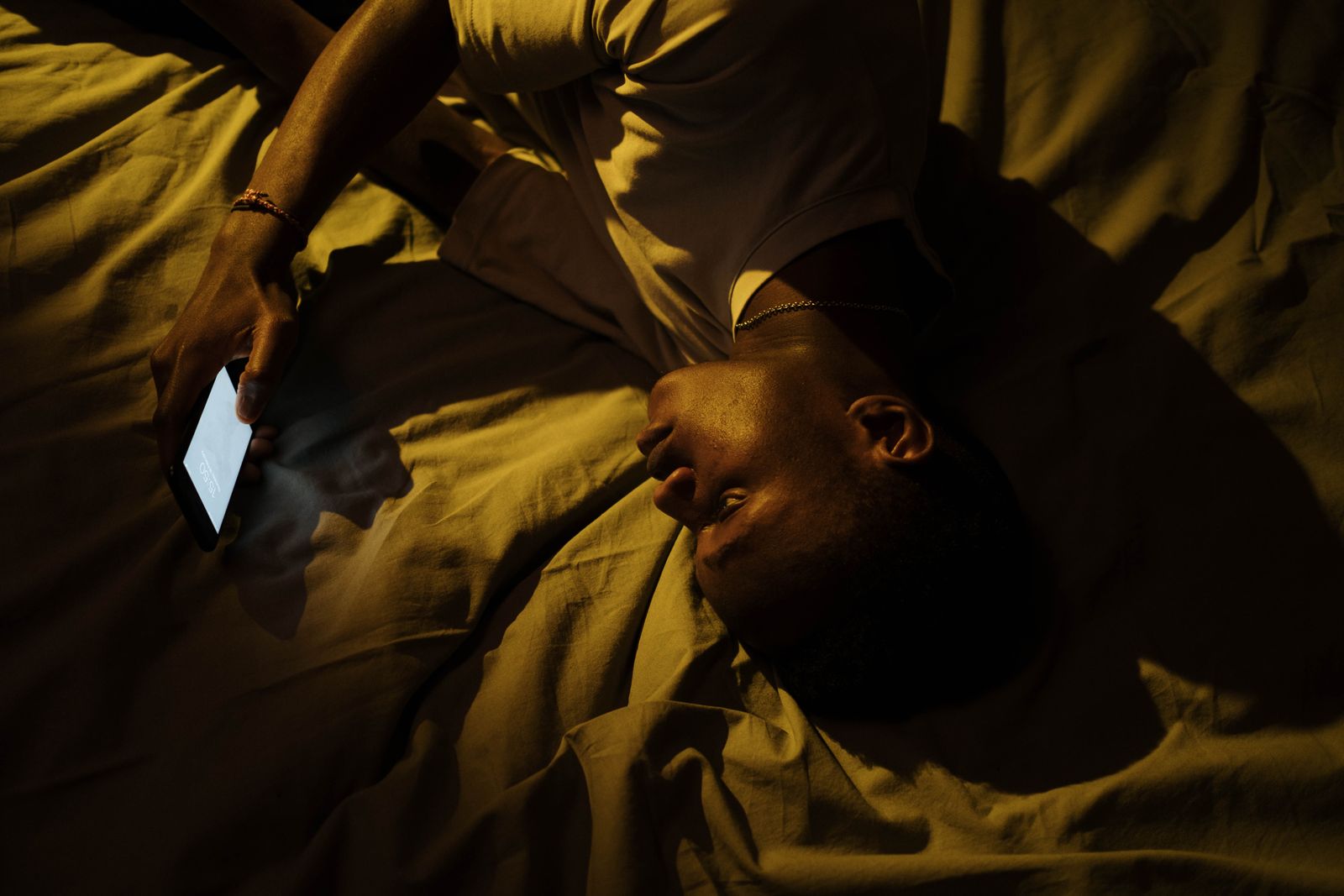
Phones and other devices can keep the mind engaged through social media, messages, news and other stimulating content. Reducing this activity during the final part of the evening may make it easier to wind down.
10. Address persistent sleep problems
If you regularly allow enough time for sleep but remain exhausted, increasing your time in bed may not solve the problem. Persistent daytime sleepiness can occur with insomnia, sleep apnea, circadian rhythm disorders, medication effects and other conditions.
When Should You Talk to a Healthcare Professional?
Occasional poor sleep is common. Seek professional advice when sleep problems are persistent, disruptive or accompanied by significant daytime symptoms.
- Difficulty falling asleep or staying asleep
- Repeated early-morning waking
- Excessive daytime sleepiness
- Persistent exhaustion despite adequate time in bed
- Loud habitual snoring
- Waking while choking or gasping
- Witnessed pauses in breathing during sleep
- Repeated nighttime awakenings without an obvious explanation
These symptoms can occur with conditions such as obstructive sleep apnea and should not simply be dismissed as normal tiredness.
Severe sleepiness while driving or operating machinery is an immediate safety concern. Stop the activity and arrange a safe alternative.
Frequently Asked Questions About Adult Sleep
How many hours of sleep do adults need?
Most adults need approximately 7–9 hours per night, although individual needs vary. The CDC recommends at least 7 hours for adults aged 18–60, 7–9 hours for those aged 61–64, and 7–8 hours for adults aged 65 and older.
Is 6 hours of sleep enough?
Six hours is below the recommended amount for most adults when it is the regular pattern. Consistently getting this little sleep may affect alertness, concentration and reaction time.
Can I function normally on 5 hours of sleep?
Most adults should not routinely rely on only 5 hours. A person may become accustomed to a short schedule without realizing that attention and performance are being affected.
Is 7 hours of sleep enough?
Seven hours can be enough for some adults and meets the CDC minimum recommendation for adults aged 18–60. Others may feel better with more sleep.
Is 8 hours of sleep enough?
Yes. Eight hours is within the commonly recommended adult range. If you wake feeling reasonably refreshed and remain alert during the day, it may be an appropriate amount for you.
Is 9 hours of sleep too much?
Not necessarily. Nine hours is within the commonly recommended range for adults. Longer sleep can also be appropriate in some circumstances.
What if I sleep 8 hours but still feel tired?
Persistent tiredness despite adequate time in bed can result from disrupted sleep, an irregular schedule, medication effects or a sleep disorder such as obstructive sleep apnea. Ongoing symptoms should be evaluated rather than simply adding more time in bed.
References
- Centers for Disease Control and Prevention. About Sleep. Age-specific sleep recommendations and information about healthy sleep.
- National Heart, Lung, and Blood Institute, National Institutes of Health. Sleep Deprivation and Deficiency: How Sleep Affects Your Health. Information about the health effects of inadequate sleep.
- National Heart, Lung, and Blood Institute, National Institutes of Health. How Much Sleep Is Enough?. Information about sleep duration and sleep deficiency.
- American Heart Association. Life’s Essential 8: How to Get Healthy Sleep. Information about healthy sleep and cardiovascular health.
- American Academy of Sleep Medicine and Sleep Research Society. Recommended Amount of Sleep for a Healthy Adult. Joint consensus statement on adult sleep duration.
- National Institute on Aging. Sleep. Information about sleep and ageing.
Evidence note: Sleep recommendations are population-level guidance. Individual sleep needs should be considered alongside sleep quality, regularity, health status and daytime functioning.
Conclusion
Sleep needs vary, but most adults can use 7–9 hours as a practical target. The CDC provides age-specific guidance, with at least 7 hours recommended for adults aged 18–60, 7–9 hours for those aged 61–64 and 7–8 hours for adults aged 65 and older.
The number of hours is only one part of healthy sleep. A consistent schedule, adequate sleep opportunity and relatively uninterrupted rest are also important. Regularly getting only 5 or 6 hours is below the recommended amount for most adults, while 9 hours is not automatically excessive.
If you consistently feel exhausted despite allowing enough time for sleep, or if you experience loud snoring, gasping or witnessed breathing pauses, the issue may be sleep quality rather than simply sleep duration. In that situation, professional evaluation is appropriate.
Medical Disclaimer
This article is provided for general health education and informational purposes only. It is not intended to diagnose, treat, cure or prevent any disease or medical condition and does not replace individualized advice from a qualified healthcare professional.
Sleep needs vary between individuals. If you have persistent insomnia, excessive daytime sleepiness, loud snoring, breathing pauses during sleep, repeated nighttime awakenings or another ongoing sleep concern, seek appropriate medical evaluation.
If you are dangerously sleepy while driving or operating machinery, stop the activity and move to a safe alternative. Do not attempt to overcome severe sleepiness through caffeine or willpower.
VitalWell Hub aims to provide evidence-based health information using reputable medical and public health sources. Medical recommendations can change as evidence develops, so readers should consult a qualified healthcare professional for personal medical decisions.