Exercise During Pregnancy: A Safe, Evidence-Based Guide for Every Trimester
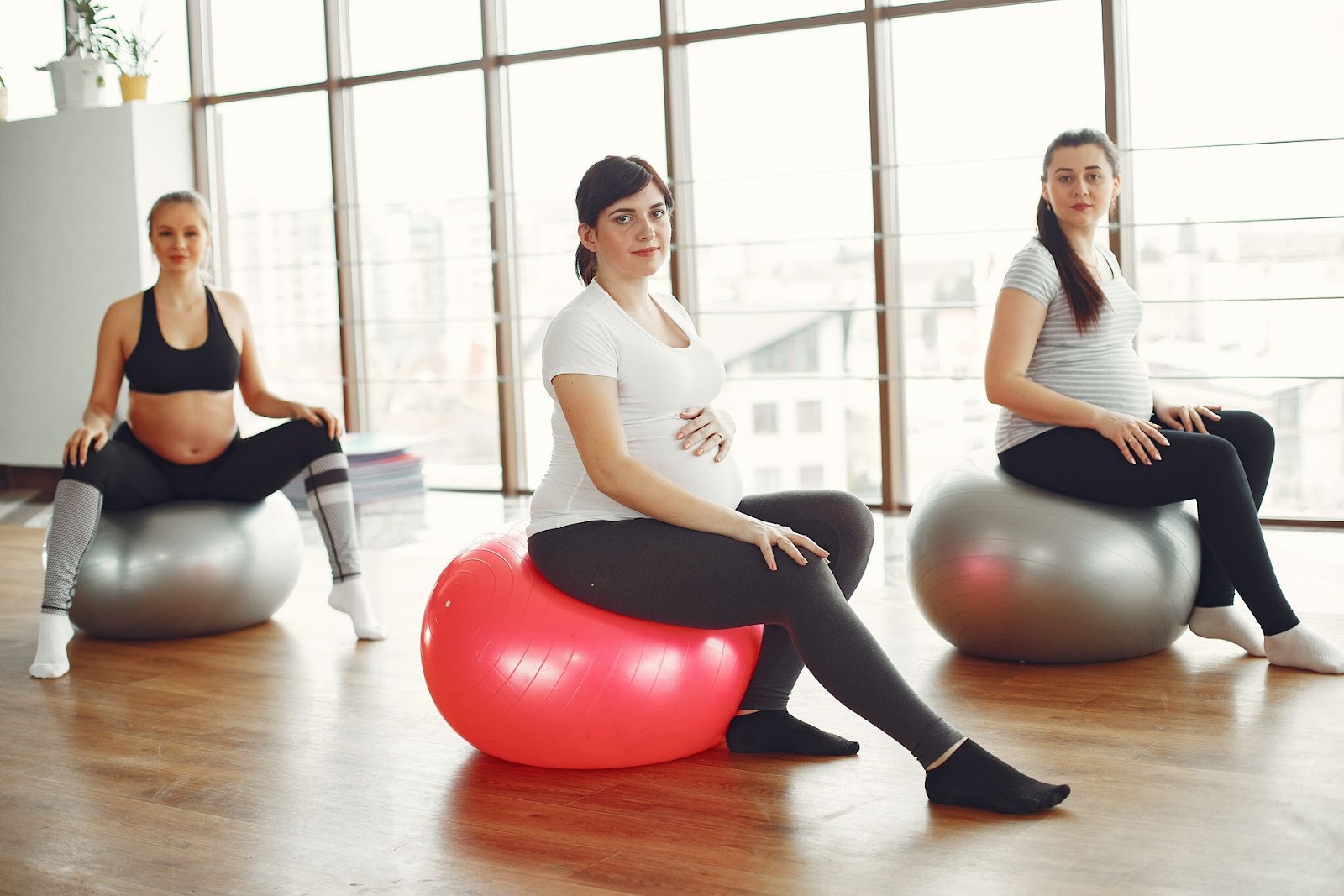
For most women with an uncomplicated pregnancy, staying physically active is both possible and beneficial. The safest approach is to adapt exercise to the stage of pregnancy, previous fitness level, symptoms, environment, and any medical complications rather than following a rigid workout plan.
Can You Exercise During Pregnancy?
Yes. Most pregnant women without medical contraindications can safely remain physically active throughout pregnancy. Current guidance commonly recommends at least 150 minutes of moderate-intensity aerobic physical activity each week, spread across the week, together with appropriate muscle-strengthening activity.
Walking, swimming, stationary cycling, modified resistance training, prenatal yoga, mobility exercises, and pelvic-floor exercises may all have a place in a prenatal activity program. The appropriate combination depends on the individual’s health, fitness level, pregnancy stage, symptoms, and medical advice.
Pregnancy is not the time to ignore warning symptoms, train through significant pain, or pursue personal performance records. The goal is to maintain health, strength, mobility, cardiovascular fitness, and well-being while allowing the pregnancy to progress safely.
Key Takeaways
- For most uncomplicated pregnancies, regular physical activity is beneficial rather than harmful.
- A practical target is at least 150 minutes of moderate-intensity aerobic activity per week.
- Walking, swimming, stationary cycling, modified strength training, prenatal yoga, and mobility exercises are commonly suitable options.
- Exercise intensity should be adjusted according to symptoms, pregnancy stage, fitness level, environment, and medical advice.
- Activities with a high risk of falling, abdominal trauma, collision, or overheating should generally be avoided or modified.
- Vaginal bleeding, fluid leakage, chest pain, fainting, severe shortness of breath, painful contractions, or other concerning symptoms require stopping exercise and seeking medical assessment.
Why Exercise Matters During Pregnancy
Pregnancy produces substantial changes throughout the cardiovascular, respiratory, musculoskeletal, and metabolic systems. Blood volume increases, cardiac output rises, the uterus enlarges, and the body’s center of gravity gradually shifts. Hormonal changes can also affect connective tissue, balance, and joint stability.
These changes are normal, but they can alter how familiar activities feel. A woman who previously walked briskly for an hour may need to slow down later in pregnancy. Someone who regularly performed resistance training may need to modify loads, positions, range of motion, or exercise selection as the abdomen grows.
For women without medical contraindications, these changes do not automatically mean physical activity should stop. Regular movement can help maintain cardiovascular fitness, muscular function, mobility, metabolic health, and psychological well-being.
The World Health Organization’s physical activity guidelines recommend regular physical activity during pregnancy for women without contraindications, including at least 150 minutes of moderate-intensity aerobic activity throughout the week.
Kenya’s National Guidelines for Healthy Diets and Physical Activity also provide guidance on physical activity during pregnancy and emphasize avoiding activities that carry a substantial risk of falls or abdominal injury.
The key distinction is between appropriate activity and inappropriate exertion. A good prenatal exercise program changes as the woman’s body changes rather than attempting to maintain exactly the same training routine throughout pregnancy.
How Pregnancy Changes Exercise Capacity
Cardiovascular changes
During pregnancy, the cardiovascular system adapts to support both maternal tissues and the developing fetus. Blood volume increases and the heart pumps more blood each minute. As a result, an exercise intensity that previously felt easy may produce a greater sense of exertion, especially later in pregnancy.
This is one reason symptom-based monitoring can be more useful than trying to maintain a rigid running speed, cycling resistance, or heart-rate target.
Musculoskeletal changes
As the uterus enlarges, the body’s center of mass moves forward. Posture and movement patterns may change, increasing the mechanical demands on the lower back, hips, pelvis, and legs.
Pregnancy-related changes in connective tissue and joint stability can also make aggressive stretching, unstable exercises, sudden changes of direction, or high-impact landings less comfortable or less appropriate.
Balance changes
Balance may become more difficult as pregnancy progresses. This makes fall prevention increasingly important, particularly during the second and third trimesters.
Breathing changes
Pregnancy changes breathing mechanics and can make breathlessness occur more readily during activity. Mild breathlessness with exertion can occur during a normal pregnancy, but severe, sudden, worsening, or disproportionate shortness of breath requires medical assessment, particularly when accompanied by chest pain, fainting, or other concerning symptoms.
Benefits of Exercise During Pregnancy
Regular physical activity provides benefits beyond maintaining fitness. Evidence summarized by major health organizations indicates that appropriate activity during pregnancy is associated with a lower risk of several complications, including gestational diabetes, hypertensive disorders of pregnancy, excessive gestational weight gain, and depressive symptoms.
Exercise does not guarantee an uncomplicated pregnancy. Pregnancy outcomes are influenced by many factors, including pre-existing health conditions, genetics, nutrition, age, access to healthcare, and pregnancy-specific complications.
Supports cardiovascular fitness
Regular aerobic activity trains the cardiovascular system and can improve functional endurance. Maintaining fitness may make everyday activities such as walking, climbing stairs, shopping, and caring for family members easier.
Supports metabolic health
Muscle contraction increases glucose uptake by skeletal muscle and can improve insulin sensitivity. Physical activity is therefore one component of lifestyle management that may help reduce the risk of gestational diabetes.
Exercise does not replace gestational-diabetes screening or treatment. Women diagnosed with gestational diabetes should follow their healthcare provider’s recommendations for nutrition, glucose monitoring, medication, insulin, and physical activity.
Helps maintain healthy physical function
Maintaining muscular strength and mobility can help support posture, walking, lifting, and other everyday activities as pregnancy progresses.
The goal is not weight loss during pregnancy. Appropriate weight gain depends on factors such as pre-pregnancy BMI and individual clinical circumstances.
Supports psychological well-being
Physical activity may support mood, stress management, sleep, and overall psychological well-being. However, persistent sadness, severe anxiety, hopelessness, loss of interest in normal activities, or thoughts of self-harm require professional assessment rather than being managed with exercise alone.
Supports preparation for postpartum life
Pregnancy, childbirth, and the postpartum period place substantial physical demands on the body. Maintaining reasonable cardiovascular fitness, mobility, and muscular function during pregnancy can provide a useful foundation for gradual postpartum recovery.
How Hard Should You Exercise During Pregnancy?
Exercise intensity should be individualized. Fitness level, previous exercise experience, pregnancy stage, symptoms, medical conditions, medications, and environmental temperature can all influence how a particular workout feels.
The talk test is a practical way to judge moderate intensity. During moderate activity, you should generally be able to speak in sentences without becoming excessively breathless. If conversation becomes difficult, reduce the intensity or take a recovery break.
Exercise should feel purposeful but sustainable. You should feel that you are working without pushing yourself to exhaustion.
Heart-rate targets should not be treated as universal pregnancy limits. Resting heart rate, fitness level, medications, environmental conditions, and pregnancy-related cardiovascular changes differ among individuals.
Women who regularly performed vigorous exercise before pregnancy may often continue appropriately modified vigorous activity when there are no contraindications. Women who were previously inactive should generally begin with manageable activity and increase gradually.
First Trimester Exercise: Weeks 1–13
The first trimester is characterized by major hormonal and developmental changes. Fatigue, nausea, vomiting, breast tenderness, dizziness, and appetite changes can substantially affect exercise tolerance.
Women who were already active before pregnancy can often continue appropriate activities when there are no medical contraindications. Women who were previously inactive may also be able to begin gentle activity, but should build gradually.
Walking
Walking is easy to modify and can be particularly useful on days when nausea or fatigue limits exercise tolerance. Pace and duration can be adjusted according to symptoms.
Swimming and water exercise
Swimming provides cardiovascular activity with relatively little impact on the joints. It may be comfortable for women who experience musculoskeletal discomfort.
Light resistance training
Controlled movements such as supported squats, resistance-band exercises, light rows, and appropriate upper-body exercises can help maintain muscular function.
Gentle yoga and mobility
Pregnancy-appropriate yoga and mobility exercises can support movement, relaxation, balance, and breathing. Avoid forceful stretching or positions that cause pain, dizziness, instability, or significant discomfort.
Activities requiring caution
Activities with a substantial risk of falling, abdominal trauma, or collision should generally be avoided or modified. Examples can include horseback riding, downhill skiing, certain contact sports, and activities involving significant fall exposure.
The aim during the first trimester is not to achieve maximum fitness gains. It is to maintain appropriate movement while allowing the body to adapt to pregnancy.
Second Trimester Exercise: Weeks 14–27
For some women, nausea and early-pregnancy fatigue improve during the second trimester. At the same time, the growing uterus begins to produce more noticeable changes in posture, balance, and movement.
Exercise should therefore continue to emphasize cardiovascular fitness, functional strength, mobility, balance, and comfort.
Stationary cycling
Stationary cycling provides aerobic exercise without the same fall exposure as outdoor cycling. Resistance and pace can be adjusted according to comfort.
Resistance-band training
Resistance bands can be used for rows, hip exercises, upper-body strengthening, and other controlled movements. They are particularly useful when equipment is limited.
Supported squats
Supported squats can strengthen the lower body while providing an opportunity to practice functional movement. A stable support can be used when balance becomes more difficult.
Modified core exercises
Core training can focus on functional trunk control rather than repeatedly performing traditional abdominal exercises. Standing, quadruped, side-lying, or elevated variations may be more comfortable as pregnancy progresses.
Exercise while lying on the back
As pregnancy progresses, prolonged exercise while lying flat on the back may become uncomfortable for some women. If a position causes dizziness, nausea, breathlessness, or discomfort, change position.
Elevated, side-lying, standing, seated, or hands-and-knees alternatives may be more comfortable.
Third Trimester Exercise: Weeks 28–40
The third trimester brings greater mechanical demands as the abdomen enlarges and body weight increases. Sleep disruption, pelvic pressure, back discomfort, swelling, and breathlessness can also influence exercise tolerance.
The goal at this stage is not maximum performance. Exercise should support comfortable mobility, functional strength, cardiovascular health, circulation, and psychological well-being.
Walking
Walking remains a practical cardiovascular activity. Some women may tolerate brisk walking, while others may need shorter walks at a slower pace with more frequent breaks.
Water-based exercise
Swimming and water exercise can become particularly comfortable during late pregnancy because buoyancy reduces the load placed on the joints and spine.
Prenatal yoga and gentle mobility
Gentle prenatal yoga can combine mobility, breathing, balance, and relaxation. Avoid aggressive stretching and movements that cause pain or instability.
Supported strength exercises
Supported squats, light resistance-band work, wall push-ups, and other controlled movements can help maintain functional strength when performed comfortably.
Reducing exercise duration or intensity as pregnancy progresses is not a failure of fitness. It is an appropriate adaptation to changing physical demands.
Best Types of Exercise During Pregnancy
There is no single best pregnancy exercise. A balanced program may combine aerobic activity, strength training, mobility work, and pelvic-floor exercises.
Walking
Walking is accessible, inexpensive, and easy to modify. Pace, terrain, and duration can all be adjusted.
Swimming
Swimming provides cardiovascular conditioning with minimal impact and can be particularly comfortable later in pregnancy.
Stationary cycling
Stationary cycling offers aerobic exercise without the same fall exposure as outdoor cycling.
Strength training
Appropriately modified strength training helps maintain muscular function. Resistance bands, light dumbbells, bodyweight movements, and controlled functional exercises can all be useful.
Prenatal yoga
Prenatal yoga can combine gentle movement, breathing, balance, and relaxation when appropriately modified.
Low-impact aerobic exercise
Other low-impact activities may be appropriate when they can be performed comfortably and safely. Consider fall risk, abdominal trauma, overheating, intensity, balance, and individual medical circumstances.
Strength Training During Pregnancy
Maintaining muscular function can be useful as pregnancy progresses. Strong lower-body muscles support walking and standing, while upper-body and trunk strength can help with everyday tasks.
Strength training does not require heavy weights. Resistance bands, light dumbbells, bodyweight exercises, and controlled functional movements can provide an appropriate training stimulus.
Useful movement patterns
- Supported squats
- Controlled hip hinges
- Resistance-band rows
- Wall push-ups
- Supported step-ups
- Light shoulder exercises
- Glute-strengthening movements
Resistance should allow controlled repetitions without excessive straining, breath-holding, pain, or loss of technique. Women accustomed to heavier resistance training may be able to continue modified programs, but pregnancy is generally not the time to pursue maximal lifting or personal records.
Pelvic-Floor Exercise During Pregnancy
The pelvic floor supports the bladder, bowel, and reproductive organs. Pregnancy and childbirth place considerable demands on these muscles and surrounding tissues.
Pelvic-floor muscle training can help improve pelvic-floor strength and may reduce urinary incontinence. However, pelvic-floor problems are not always caused by weakness. Some women have muscles that are excessively tense or poorly coordinated.
Women experiencing urinary leakage, pelvic pressure, pelvic pain, painful intercourse, or difficulty relaxing the pelvic floor may benefit from assessment by a qualified pelvic-health physiotherapist.
Basic pelvic-floor awareness
A simple starting point is learning to gently contract the pelvic-floor muscles and then fully relax them. The sensation can be similar to preventing the passage of gas. Repeatedly stopping urine midstream should not be used as a training exercise because it can interfere with normal bladder emptying.
A balanced pelvic-floor routine should include both contraction and relaxation. Quality is more important than performing large numbers of repetitions.
Hydration, Nutrition, and Exercise During Pregnancy
Exercise adds to the body’s normal physiological demands, making adequate hydration and nutrition important during pregnancy. Requirements vary according to body size, climate, activity level, pregnancy stage, and individual nutritional needs.
Stay hydrated
Drink fluids regularly throughout the day and take additional fluids around exercise, particularly in warm conditions. Thirst, sweating, exercise duration, and environmental temperature can influence fluid needs.
Avoid prolonged fasting around exercise
Pregnancy is not an appropriate time for aggressive fasting or restrictive dieting. Women who experience weakness, nausea, or dizziness when exercising without food may benefit from eating an appropriate meal or snack beforehand.
A balanced pregnancy diet should provide adequate carbohydrates, protein, healthy fats, vitamins, minerals, and fluids.
Exercise in hot weather
Heat management is particularly important in warm climates. Choose cooler times of day, wear breathable clothing, drink fluids regularly, and reduce exercise intensity when environmental conditions are uncomfortable.
For additional information, see our guide to foods to eat and limit during pregnancy.
Exercise and Common Pregnancy Complications
Regular physical activity is associated with a lower risk of several pregnancy complications, but exercise cannot guarantee prevention. It is one component of comprehensive prenatal care.
Gestational diabetes
Physical activity increases glucose uptake by skeletal muscle and can improve insulin sensitivity. It may therefore contribute to a lower risk of gestational diabetes.
The CDC’s information on gestational diabetes explains that the condition can affect both pregnancy and long-term maternal health.
Exercise does not replace gestational-diabetes screening or treatment.
Gestational hypertension and preeclampsia
Research suggests that appropriate physical activity may reduce the risk of hypertensive disorders during pregnancy. Women who develop hypertension, preeclampsia, or other pregnancy complications require individualized guidance.
Excessive gestational weight gain
Appropriate pregnancy weight gain varies according to pre-pregnancy BMI and other factors. Physical activity can support healthy energy balance and physical function, but intentional weight-loss dieting is generally not the goal during pregnancy.
Mental health
Physical activity may support mood and psychological well-being. It should complement, rather than replace, appropriate psychological or medical care when significant symptoms occur.
When Exercise May Not Be Appropriate During Pregnancy
Although physical activity is appropriate for many uncomplicated pregnancies, some medical conditions require exercise to be restricted, modified, or temporarily stopped. The decision should be individualized by the woman’s maternity-care team.
Examples of conditions requiring specialist assessment can include:
- Significant heart disease
- Significant lung disease
- Cervical insufficiency or certain cervical complications
- Persistent vaginal bleeding
- Placental complications
- Preterm labor or significant risk of preterm birth
- Ruptured membranes
- Some multiple pregnancies with increased risk of preterm birth
- Severe anemia
- Uncontrolled hypertension
- Other serious maternal or pregnancy complications
The American College of Obstetricians and Gynecologists (ACOG) provides detailed guidance on exercise during pregnancy and circumstances requiring individualized assessment.
This list is not exhaustive. A condition not listed here can still affect whether a particular activity is appropriate.
Warning Signs: When to Stop Exercising
Pregnant women should pay attention to symptoms during and after exercise. Warning symptoms should not be ignored simply to complete a planned workout.
Stop exercising and seek medical advice promptly if you experience:
- Vaginal bleeding
- Leakage of fluid from the vagina
- Regular painful contractions or symptoms suggestive of preterm labor
- Persistent or severe abdominal pain
- Chest pain
- Fainting or significant dizziness
- Severe or worsening shortness of breath
- Severe headache or unusual neurological symptoms
- Significant one-sided calf pain or swelling
- Any other symptom that your maternity-care provider has told you requires urgent assessment
A noticeable reduction in fetal movement after regular fetal movement has become established should also be taken seriously. Contact your maternity-care provider or maternity unit for advice rather than attempting to correct the situation with exercise, food, or home remedies.
Sample Weekly Pregnancy Exercise Plan
This is an example framework for women with uncomplicated pregnancies who have been cleared for physical activity. Duration and intensity should be adjusted according to previous fitness level, pregnancy stage, symptoms, and medical advice.
| Day | Activity | Example Duration |
|---|---|---|
| Monday | Moderate walking and gentle mobility | 25–35 minutes |
| Tuesday | Light strength training | 20–30 minutes |
| Wednesday | Walking, swimming, or stationary cycling | 25–35 minutes |
| Thursday | Rest or gentle mobility | As needed |
| Friday | Moderate aerobic exercise and light strength work | 30–40 minutes |
| Saturday | Walking or water-based exercise | 20–30 minutes |
| Sunday | Rest and recovery | As needed |
The weekly total can gradually approach 150 minutes of moderate activity when medically appropriate. Beginners do not need to achieve the full amount immediately. Starting with shorter sessions and increasing gradually is reasonable.
Rest and recovery are part of a sustainable exercise program, particularly when pregnancy symptoms, poor sleep, or increased physical demands affect energy levels.
Trimester-by-Trimester Pregnancy Exercise Guide
| Pregnancy Stage | Main Focus | Suitable Activities | Key Considerations |
|---|---|---|---|
| First trimester Weeks 1–13 |
Maintain activity and adapt to symptoms | Walking, swimming, light resistance, gentle yoga | Fatigue, nausea, hydration, overheating |
| Second trimester Weeks 14–27 |
Strength, mobility, cardiovascular fitness, balance | Walking, stationary cycling, resistance bands, modified strength work | Growing abdomen, balance changes, pelvic discomfort |
| Third trimester Weeks 28–40 |
Mobility, functional strength, cardiovascular health, comfort | Walking, water exercise, gentle mobility, prenatal yoga | Fatigue, balance, pelvic pressure, breathlessness |
Practical Safety Guidelines for Prenatal Exercise
- Begin sessions with a gradual warm-up.
- Increase exercise volume gradually rather than suddenly.
- Drink fluids regularly.
- Avoid exercising in extreme heat.
- Use stable footwear and appropriate support.
- Choose environments where falls and collisions are unlikely.
- Modify exercises when balance changes.
- Use controlled breathing during resistance training.
- Allow adequate recovery between demanding sessions.
- Do not exercise through significant pain or concerning symptoms.
- Follow individualized medical advice when pregnancy complications are present.
The CDC’s pregnancy physical-activity guidance similarly emphasizes regular activity for most pregnant women while recognizing that individual circumstances may require modifications.
Frequently Asked Questions About Exercise During Pregnancy
Can I start exercising if I did not exercise before pregnancy?
Many women with uncomplicated pregnancies can begin gentle physical activity such as walking. Start gradually and increase activity over time. If you have a medical condition, pregnancy complication, or significant symptoms, discuss exercise with your maternity-care provider before starting.
How much exercise should I get during pregnancy?
For most pregnant women without contraindications, guidance commonly supports at least 150 minutes of moderate-intensity aerobic physical activity each week, distributed throughout the week, together with appropriate muscle-strengthening activity.
Can exercise cause miscarriage?
For most healthy pregnancies, appropriate physical activity is not considered a cause of miscarriage. Women with pregnancy complications or medical restrictions should follow individualized advice from their healthcare provider.
Can I lift weights while pregnant?
Many women can continue appropriately modified resistance training during pregnancy. Use manageable resistance, controlled technique, stable positions, and normal breathing. Avoid excessive straining or exercises that cause pain or significant discomfort.
Is walking enough exercise during pregnancy?
Walking can provide substantial cardiovascular activity and is an excellent foundation for prenatal fitness. A more complete program can also include appropriate strength training, mobility work, and pelvic-floor exercises.
Should pregnant women avoid exercising on their backs?
Prolonged flat-on-the-back exercise may become uncomfortable for some women as pregnancy progresses. If you experience dizziness, nausea, breathlessness, or discomfort, change position. Elevated, side-lying, standing, seated, or hands-and-knees alternatives may be more comfortable.
Can exercise help with gestational diabetes?
Physical activity can improve insulin sensitivity and glucose utilization and is associated with a lower risk of gestational diabetes. It does not guarantee prevention and does not replace screening or medical treatment.
When should I stop exercising during pregnancy?
Stop exercising and seek medical advice when you develop symptoms such as vaginal bleeding, fluid leakage, painful regular contractions, chest pain, fainting, severe shortness of breath, severe abdominal pain, or another concerning symptom. Your healthcare provider may also recommend stopping or modifying exercise because of a pregnancy complication.
Conclusion
Pregnancy does not automatically require a woman to stop exercising. For most women with uncomplicated pregnancies, regular physical activity is an important part of maintaining health and physical function.
Walking, swimming, stationary cycling, appropriately modified strength training, prenatal yoga, mobility exercises, and pelvic-floor work can all have a place in a prenatal fitness routine. The appropriate combination depends on the woman’s previous activity level, pregnancy stage, symptoms, preferences, and medical circumstances.
Physical activity is associated with lower risks of conditions such as gestational diabetes and hypertensive disorders, but no exercise program can eliminate pregnancy complications. Prenatal appointments, appropriate screening, adequate nutrition, rest, and prompt assessment of concerning symptoms remain essential.
A sustainable approach is therefore simple: stay active when medically appropriate, adjust intensity as your body changes, prioritize hydration and recovery, avoid unnecessary injury risks, and seek professional guidance whenever your pregnancy or symptoms require individualized care.
The goal is not to maintain exactly the same fitness routine you had before pregnancy. The goal is to support health and function throughout pregnancy while preparing for the physical demands of birth, recovery, and life with a newborn.
References
- World Health Organization. WHO Guidelines on Physical Activity and Sedentary Behaviour .
- American College of Obstetricians and Gynecologists. Exercise During Pregnancy .
- Centers for Disease Control and Prevention. Physical Activity During Pregnancy .
- Centers for Disease Control and Prevention. About Gestational Diabetes .
- World Health Organization. Pre-eclampsia and Eclampsia .
- Republic of Kenya / Ministry of Health. National Guidelines for Healthy Diets and Physical Activity .
Medical Disclaimer
This article is provided for general educational and informational purposes only. It is not intended to diagnose, treat, cure, or prevent any medical condition and does not replace individualized medical advice.
Pregnancy varies considerably between individuals. Women with high-risk pregnancies, pregnancy complications, significant medical conditions, or symptoms that concern them should obtain advice from a qualified healthcare professional before starting or modifying an exercise program.
If you experience vaginal bleeding, fluid leakage, severe or persistent abdominal pain, chest pain, fainting, severe shortness of breath, painful regular contractions, significant reduction in fetal movement, or another potentially serious symptom, stop exercising and seek appropriate medical assessment.
VitalWell Hub does not recommend using this article as a substitute for antenatal care, professional assessment, or emergency medical treatment.