Wellness Shots: Benefits, Risks, Recipes, Safety and What the Science Says
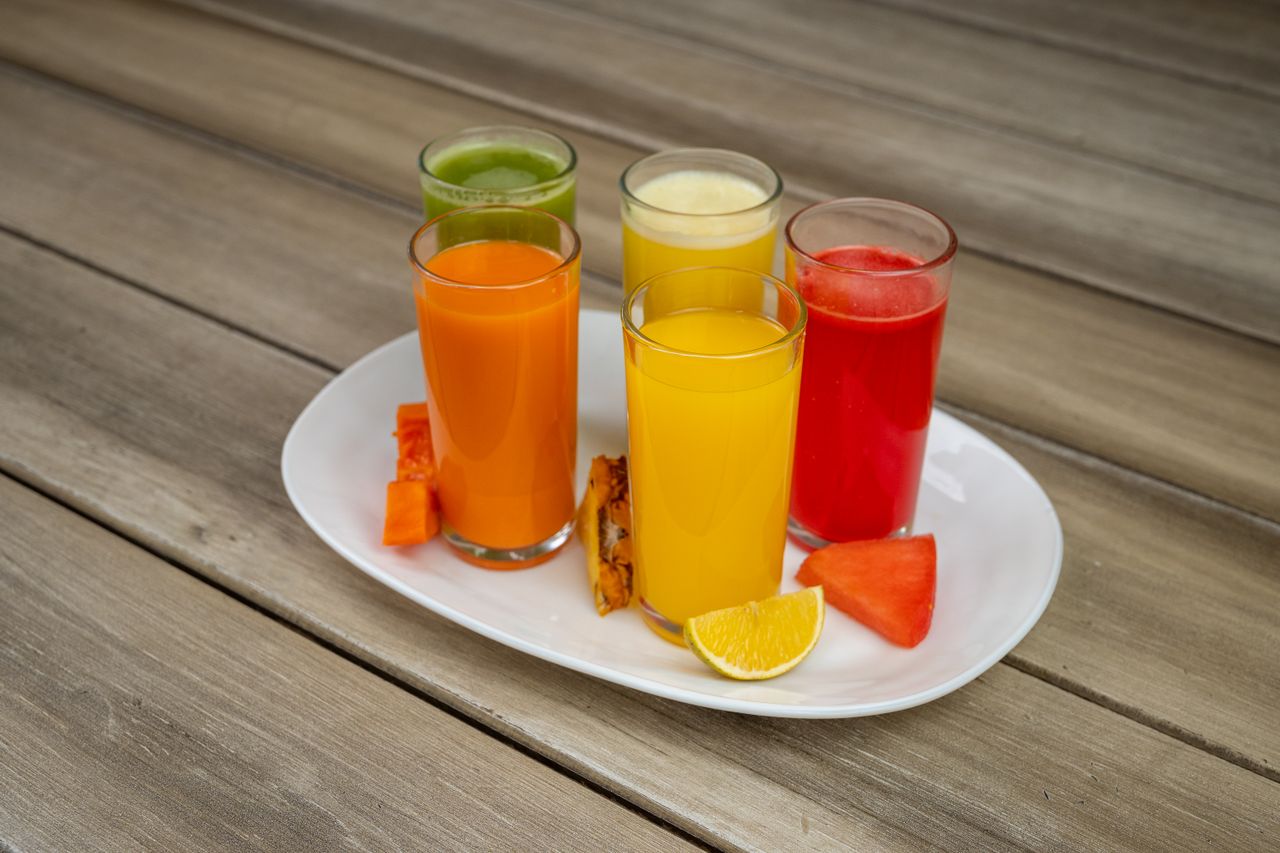
Quick Answer
Wellness shots are small servings of concentrated drinks made from ingredients such as ginger, turmeric, citrus fruits, beetroot, berries, or apple cider vinegar. Some ingredients contain nutrients or plant compounds that may support normal health, and beetroot-based drinks may have benefits for exercise performance in certain circumstances. However, wellness shots are not a proven way to “detox” the body, rapidly strengthen immunity, burn fat, or prevent disease.
The main value of a wellness shot is convenience. It can be one small way to include certain foods in your diet, but it does not replace a balanced eating pattern based on vegetables, fruits, whole grains, legumes, nuts, seeds, and other minimally processed foods.
Key Takeaways
- Wellness shots are concentrated drinks rather than a special category of medicine or treatment.
- Ginger, turmeric, citrus, beetroot, and other ingredients have different nutritional and research profiles.
- Some evidence supports specific effects of individual ingredients, but research on commercial wellness-shot combinations is limited.
- Beetroot contains dietary nitrate, which may improve exercise performance in some people and some types of exercise.
- Claims about “detoxing,” instant immune boosts, rapid weight loss, or disease prevention are generally stronger than the available evidence.
- Acidic shots may irritate the digestive tract or contribute to dental erosion when consumed frequently.
- Concentrated herbal ingredients and supplements can be important considerations for people taking medicines or managing certain health conditions.
- Whole foods and an overall healthy dietary pattern remain more important than any individual wellness shot.
Table of Contents
What Are Wellness Shots?
Wellness shots are small servings of concentrated beverages, usually ranging from a few tablespoons to a small glass. They are commonly made from fresh fruits, vegetables, roots, spices, or other plant-based ingredients.
Common combinations include ginger and lemon, turmeric and ginger, beetroot and citrus, berries, or apple cider vinegar diluted with water and other ingredients.
The term “wellness shot” is primarily a marketing and food term. It does not mean that a product has been clinically proven to improve health or treat a particular condition.
What matters nutritionally is the ingredient list, the amount consumed, added sugar or sodium, and how the drink fits into the person’s overall diet.
What Does the Science Say About Wellness Shots?
Research generally examines individual ingredients rather than commercial wellness shots as a complete category. This distinction is important.
For example, researchers have studied ginger for nausea and other conditions, turmeric and curcumin for several inflammatory and musculoskeletal outcomes, and beetroot nitrate for aspects of exercise performance. These findings cannot automatically be applied to every small bottle containing those ingredients.
The concentration of an active compound can also vary considerably between homemade drinks and commercial products. Preparation methods, serving size, storage, and the combination of ingredients can all affect what a person actually consumes.
Therefore, it is more accurate to ask, “What does this particular ingredient do?” rather than assuming that a product labeled as a wellness shot has broad health benefits.
Common Wellness Shot Ingredients
Different ingredients contribute different nutrients and plant compounds. A shot containing ginger is not nutritionally equivalent to one made primarily from beetroot or citrus.
| Ingredient | What It Provides | What the Evidence Suggests |
|---|---|---|
| Ginger | Gingerols and other plant compounds | Some evidence supports benefits for nausea, although results depend on the condition and preparation. |
| Turmeric | Curcuminoids and other plant compounds | Research on concentrated curcumin products is promising for some outcomes, but results cannot automatically be applied to small food-based shots. |
| Lemon and citrus | Vitamin C and other plant compounds | Contributes nutrients as part of a balanced diet; it is not a special detox treatment. |
| Beetroot | Nitrate, folate, potassium and other nutrients | Dietary nitrate may improve certain aspects of exercise performance in some circumstances. |
| Apple cider vinegar | Acetic acid | Some research has examined effects on post-meal glucose and other metabolic measures, but it should not be treated as a diabetes treatment. |
| Wheatgrass | Plant nutrients and chlorophyll-related compounds | Evidence does not establish a special detoxification benefit. |
Ginger
Ginger is one of the most common ingredients in wellness shots. Its characteristic compounds include gingerols and related substances.
Research has examined ginger for nausea, including some forms of pregnancy-related nausea and nausea associated with medical treatment. The strength of evidence varies depending on the specific condition and dose.
A ginger shot can therefore be a convenient way to consume ginger, but the amount in a commercial shot may differ substantially from the quantities used in research.
Large amounts may cause heartburn, stomach discomfort, diarrhea, or mouth irritation in some people.
Turmeric
Turmeric contains curcuminoids, including curcumin. These compounds have been studied because of their biological activity.
Some clinical research on standardized curcumin products suggests potential benefits for selected inflammatory or musculoskeletal outcomes. However, concentrated curcumin supplements are not equivalent to the small amount of turmeric used in a food-based wellness shot.
Turmeric should therefore be viewed as a flavorful food ingredient rather than a guaranteed anti-inflammatory treatment.
People taking medicines or using concentrated turmeric or curcumin supplements should discuss regular use with a healthcare professional because concentrated products can have clinically relevant interactions.
Lemon and Citrus
Lemon and other citrus fruits can provide vitamin C and contribute flavor without requiring large amounts of added sugar.
Vitamin C is important for normal immune function, collagen formation, wound healing, and antioxidant protection. However, consuming extra vitamin C does not mean that a person receives an instant “immune boost.”
Whole citrus fruit generally provides more dietary fiber than strained juice or a small shot. For overall nutrition, whole fruit is usually the more substantial choice.
Frequent exposure to acidic drinks can also contribute to dental erosion. Rinsing the mouth with water after an acidic drink and avoiding prolonged sipping can reduce exposure.
Beetroot
Beetroot is particularly interesting from an exercise perspective because it contains dietary nitrate. The body can convert nitrate into nitric oxide-related compounds involved in blood-vessel function and exercise physiology.
Systematic reviews and meta-analyses suggest that nitrate-rich beetroot products can improve some measures of exercise performance, particularly in certain endurance or high-intensity exercise settings. The effect is not universal, and individual responses vary.
This does not mean that every beetroot wellness shot will improve athletic performance. The nitrate content depends on the ingredients, serving size, preparation, and product.
Beetroot can still be a nutritious food, particularly when included as part of a varied diet.
Apple Cider Vinegar
Apple cider vinegar contains acetic acid and is sometimes included in wellness drinks because of research examining its effects on post-meal glucose and other metabolic measures.
These findings should not be interpreted as evidence that apple cider vinegar prevents or treats diabetes. People with diabetes should continue to follow their prescribed treatment and nutrition plan.
Undiluted vinegar can irritate the mouth, throat, and esophagus and can contribute to dental enamel erosion. It should not be consumed as a concentrated shot.
Wheatgrass
Wheatgrass is marketed in some wellness drinks as a nutrient-rich ingredient and is sometimes associated with “detox” claims.
There is no good evidence that wheatgrass creates a special detoxification pathway in the body. The liver, kidneys, lungs, gastrointestinal tract, and other physiological systems already perform the body’s normal processes of metabolism and elimination.
If you enjoy wheatgrass as a food or beverage, it can be included as one small part of an otherwise varied diet. It should not be used instead of medical treatment or a balanced diet.
Potential Benefits of Wellness Shots
1. They Can Add Certain Nutrients
Depending on the ingredients, a wellness shot can provide vitamin C, potassium, folate, plant compounds, or other nutrients.
However, the nutritional value varies considerably. A shot made mostly from juice may provide less fiber than the whole fruits and vegetables from which it was made.
2. They Can Make Healthy Ingredients Convenient
Convenience is one of the strongest practical advantages. Someone who enjoys ginger, citrus, or beetroot may find a small prepared serving easier to consume than preparing a larger recipe.
3. Some Ingredients Have Specific Research Support
The evidence is ingredient-specific. Ginger has been studied for nausea, while beetroot nitrate has been studied for exercise performance. These are more defensible claims than saying that all wellness shots improve health in general.
4. They May Encourage Healthier Food Choices
For some people, preparing a small fruit- or vegetable-based drink can become part of a broader routine that includes healthier meals, regular physical activity, and adequate sleep.
The benefit in this situation comes largely from the overall behavior pattern rather than from a special effect of the shot itself.
Do Wellness Shots Detox the Body?
No special wellness shot is required to “detox” a healthy person’s body.
The body continuously processes and eliminates substances through normal physiological systems, including the liver, kidneys, gastrointestinal tract, lungs, and skin.
Drinks containing lemon, ginger, turmeric, wheatgrass, or other ingredients may be part of a healthy diet, but there is no established evidence that taking a concentrated shot causes a special cleansing process that removes unspecified “toxins.”
A more evidence-based approach is to support normal health with adequate nutrition, hydration, physical activity, sleep, appropriate medical care, and avoidance of tobacco and excessive alcohol.
Safety and Possible Side Effects
Wellness shots are foods or beverages, but concentrated ingredients can still cause problems in some people.
Digestive Symptoms
Large amounts of ginger, acidic citrus, vinegar, or other concentrated ingredients may cause heartburn, nausea, abdominal discomfort, or diarrhea.
Acid Reflux
Highly acidic drinks may aggravate reflux symptoms in susceptible people. If a particular shot repeatedly causes burning or regurgitation, stop using it rather than increasing the dose.
Dental Health
Frequent exposure to acidic drinks can contribute to erosion of tooth enamel. Avoid holding acidic drinks in the mouth or sipping them slowly over a prolonged period.
Medication Interactions
Food-level amounts of herbs and spices are different from concentrated extracts and supplements. People taking prescription medicines should be cautious with high-dose herbal products and ask a pharmacist or clinician about potential interactions.
Food Safety
Fresh homemade shots can spoil if they are prepared or stored improperly. Wash produce thoroughly, use clean equipment, refrigerate perishable drinks promptly, and follow safe storage practices.
Allergies and Intolerances
A wellness shot can contain ingredients that trigger an allergy or intolerance. Always check the full ingredient list of commercial products.
Who Should Limit or Avoid Wellness Shots?
Not everyone needs to avoid wellness shots, but some people should use extra caution with concentrated products.
- People with frequent acid reflux: acidic ingredients may worsen symptoms.
- People with sensitive digestion: concentrated ginger, vinegar, citrus, or spicy ingredients may cause discomfort.
- People taking multiple medicines: concentrated herbal products can create interaction concerns.
- People with kidney or other chronic conditions: discuss regular use of concentrated products with your healthcare professional.
- Pregnant or breastfeeding people: food-level ingredients are different from concentrated herbal supplements; ask a qualified clinician before using concentrated products regularly.
- Children: children generally do not need concentrated wellness shots to meet their nutritional needs.
- People with known food allergies: check every ingredient carefully.
When to Seek Medical Advice
Do not use wellness shots to self-treat persistent symptoms such as unexplained weight loss, ongoing abdominal pain, repeated vomiting, blood in the stool, difficulty swallowing, severe heartburn, or other concerning symptoms. These problems require appropriate medical assessment.
Simple Wellness Shot Recipes
Homemade shots can be simple. The recipes below are intended as food and beverage ideas, not treatments for a medical condition.
1. Ginger-Lemon Shot
Ingredients:
- Small piece of fresh ginger
- Fresh lemon juice
- Water
- Optional small amount of fruit for flavor
Method: Blend or finely grate the ginger, combine with lemon juice and water, then strain if desired. Dilute further if the drink is too strong or acidic.
2. Turmeric-Ginger Shot
Ingredients:
- Fresh ginger
- A small amount of turmeric
- Water
- Small amount of lemon juice if tolerated
Method: Blend the ingredients with water and serve fresh. There is no need to use a large amount of turmeric.
3. Beetroot-Citrus Shot
Ingredients:
- Small amount of cooked or raw beetroot
- Orange or lemon
- Water
Method: Blend until smooth and dilute to the preferred consistency. This provides a food-based way to include beetroot and citrus.
4. Berry-Ginger Mini Smoothie
Ingredients:
- A small handful of berries
- A small piece of fresh ginger
- Plain yogurt or water
Method: Blend until smooth. Unlike a strained juice, keeping the pulp provides more of the food’s natural fiber.
There is no requirement to drink these recipes as concentrated shots. Increasing the volume and keeping the whole-food components can make the drink more filling and nutritionally substantial.
How Often Should You Drink Wellness Shots?
There is no scientifically established frequency that healthy adults need to follow.
A person who enjoys a small wellness shot occasionally can include it as part of a balanced diet. Drinking one every day is not automatically better, and larger quantities do not necessarily provide greater benefits.
If a shot contains substantial amounts of acidic ingredients, concentrated herbs, or added sugar, frequent use may actually create unnecessary problems.
The better question is whether the drink adds something useful to your overall diet. If it does not, there is no nutritional reason to force yourself to drink it.
Wellness Shots vs. Whole Foods
Whole foods generally offer greater nutritional value than a small concentrated drink because they provide a broader combination of nutrients and, in many cases, dietary fiber.
| Wellness Shot | Whole-Food Alternative |
|---|---|
| Lemon shot | Whole orange, lemon used in meals, or other whole fruit |
| Ginger shot | Fresh ginger added to meals, tea, soups, or cooking |
| Beetroot shot | Cooked or roasted beetroot |
| Berry shot | Whole berries |
| Turmeric shot | Turmeric used in normal cooking |
The World Health Organization recommends a dietary pattern rich in a variety of vegetables, fruits, legumes, nuts, whole grains, and other minimally processed foods. For most people, this overall pattern matters much more than adding a concentrated drink.
Are Wellness Shots Worth the Cost?
Commercial wellness shots can be expensive compared with the individual ingredients used to make them.
Whether one is worth buying depends mainly on convenience, taste, ingredients, and personal preference rather than on a guaranteed health effect.
If cost is important, buying fresh ginger, citrus, beetroot, turmeric, or fruit and using small amounts in ordinary meals and drinks may provide better value.
Always check the nutrition label. Some products marketed as wellness drinks contain added sugar, sweeteners, or other ingredients that may not fit your dietary goals.
Common Wellness Shot Myths
Myth 1: Wellness Shots Detox Your Body
Reality: Your body already has physiological systems for processing and eliminating substances. Wellness shots do not create a special detox pathway.
Myth 2: A Wellness Shot Gives You an Instant Immune Boost
Reality: Nutrients such as vitamin C contribute to normal immune function, but no small drink instantly transforms immune defenses.
Myth 3: More Is Always Better
Reality: Concentrated ingredients can cause side effects. Larger amounts are not automatically healthier.
Myth 4: Wellness Shots Burn Body Fat
Reality: There is no reliable evidence that a typical wellness shot causes meaningful fat loss. Sustainable weight management depends primarily on overall energy balance, dietary patterns, physical activity, sleep, and other factors.
Myth 5: Wellness Shots Replace a Healthy Diet
Reality: A concentrated drink cannot replace the variety of nutrients, fiber, protein, and other components provided by a balanced dietary pattern.
Myth 6: Every Ingredient Has the Same Level of Evidence
Reality: Evidence varies substantially. Some ingredients have been studied in clinical trials, while marketing claims for others are based mainly on tradition or preliminary research.
Frequently Asked Questions
Are wellness shots actually healthy?
They can be part of a healthy diet when made from nutritious ingredients and consumed appropriately. Their health value depends on the ingredients and the person’s overall dietary pattern.
Can wellness shots boost immunity?
Ingredients such as citrus can provide vitamin C, which supports normal immune function. However, a wellness shot should not be described as an instant immune booster or as protection against infection.
Do wellness shots detox the body?
No. The body naturally processes and eliminates substances through systems such as the liver and kidneys. There is no established need for wellness shots to perform this function.
Can wellness shots help with weight loss?
There is no strong evidence that ordinary wellness shots directly cause meaningful weight loss. Weight management is better supported by an overall sustainable eating and activity pattern.
Can I drink wellness shots every day?
There is no universal need to drink them daily. If you choose to do so, consider the ingredients, acidity, added sugar, portion size, and your individual health circumstances.
Are ginger shots safe?
Small food-level amounts are generally tolerated by many people, but concentrated ginger can cause heartburn, stomach discomfort, or diarrhea in some individuals.
Are beetroot shots useful for exercise?
Beetroot contains dietary nitrate, and research suggests nitrate-rich beetroot products may improve some aspects of exercise performance in certain circumstances. The effect varies and is not guaranteed from every commercial shot.
Are wellness shots better than eating whole fruits and vegetables?
Not generally. Whole fruits and vegetables provide fiber and a broader food matrix. Wellness shots are better viewed as optional additions rather than replacements.
The Bottom Line
Wellness shots can be convenient, flavorful ways to consume small amounts of ingredients such as ginger, turmeric, citrus, beetroot, or berries. Some of these ingredients have scientifically studied effects, but the evidence is specific to the ingredient, dose, preparation, and outcome being studied.
The strongest approach is to avoid exaggerated claims. Wellness shots do not provide a magic detox, instant immune boost, guaranteed weight loss, or substitute for medical treatment.
If you enjoy them and tolerate the ingredients, they can fit into a healthy lifestyle. But the foundation of good nutrition remains a varied dietary pattern built around whole and minimally processed foods, adequate protein and fiber, regular physical activity, sufficient sleep, hydration, and appropriate medical care.
References
1. World Health Organization. Healthy diet.
2. World Health Organization. Increasing fruit and vegetable consumption to reduce the risk of noncommunicable diseases.
3. National Center for Complementary and Integrative Health. Turmeric.
4. National Institutes of Health, Office of Dietary Supplements. Vitamin C — Fact Sheet for Health Professionals.
5. PubMed. Meta-analysis examining factors that influence the effects of dietary nitrate on exercise performance.
6. PubMed. Research examining beetroot supplementation and exercise-related muscle outcomes.
7. American College of Gastroenterology. Acid reflux and gastroesophageal reflux disease.
Medical Disclaimer
This article is intended for general health education and does not replace individualized medical advice, diagnosis, or treatment. Wellness shots should not be used to treat or prevent a medical condition without appropriate professional guidance. If you have a chronic condition, take prescription medicines, are pregnant or breastfeeding, or develop persistent or concerning symptoms, speak with a qualified healthcare professional.